
Everything You Need to Know Before Adopting a New Dog
Adoption from a shelter or rescue can be a great option for some people who have a lifestyle suited to the specific dogs they’re looking at adopting. If you’re thinking about adopting a dog, there are a few things you should keep in mind as you prepare to welcome your new family member.
Get Non-Essentials Before You Adopt, Not the Day Of
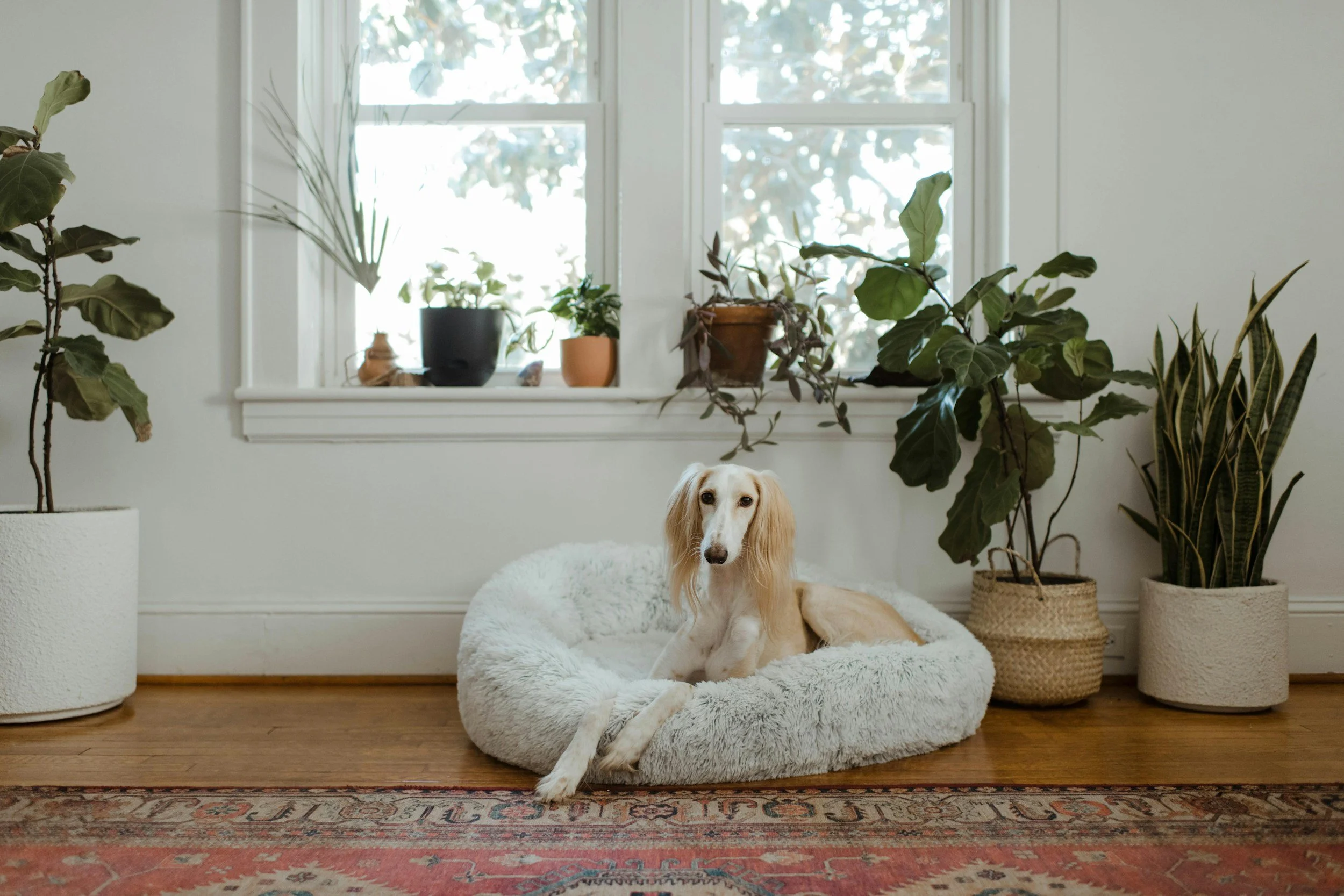
Budget for and buy the fun stuff before adopting a dog: a handful of toys, a variety of treats, a sturdy and comfortable leash, gentle dog shampoo, a cozy blanket, a proper bed, and a few other general supplies you’ll use no matter the dog’s size or age.
Why?
Buying the non-personal items beforehand can help make bringing a new pup home smoother, safer, and a lot more exciting for everyone as you prepare. You don’t want to be spending hundreds in a single day, and you’ll also want to avoid emergency runs to the pet store for chew toys on the very day you bring your dog home. That first day should be their time to decompress, explore, and settle into their new home.
When you adopt, you’ll likely be taking home their collar if they have one, some of their food, their vet history, and any current medications they’re taking. After you bring your dog home, DON’T bring your new dog out to the store with you to get their essentials right away; instead, bring them home first. Then, while they’re settling and relaxing at home, pick up their food, an appropriately sized collar, a collar tag, and any specific items recommended for your particular dog. Leave them home in a crate or with a family member so they can start feeling safe and comfortable in their new space while you get some shopping done.
Those first few weeks are best spent gently building their confidence at home and strengthening your relationship, rather than scheduling lots of planned outings just yet. Taking them out on excursions while they’re still overexcited or easily overwhelmed can set them back and isn’t the best idea.
Some Dogs Take Months to Years to Decompress, Not Days
The 3-3-3 rule is a helpful general guideline, but it doesn’t hold true for every dog or every situation. Typically, people see about 3 days for a new dog to decompress, around 3 weeks for the dog to start learning your household routine, and roughly 3 months for them to truly begin feeling at home — yet individual dogs vary widely, and for some, even years later they may still not feel fully settled.

When you adopt, you need to be prepared to meet your new dog where they’re at and be ready to possibly reach out to a trainer for guidance as you build your relationship. Some dogs are super confident and settle into their new home within a few weeks, but shy, nervous, or fearful dogs may need months or even years to feel safe enough to approach you willingly.
Unfortunately, this is where many dogs end up being returned to a rescue or shelter. They’re too shy, too loud, too scared, don’t get along with the resident dog, or there’s some other unexpected issue. Some dogs simply need more time, guidance, and patience before they can be fully integrated into family life. If you choose to adopt, be prepared for that possibility and be ready to give the extra support they may need.
Not Every Dog Will Suit You — That’s OKAY
Shelters tend to have fairly lax requirements when it comes to adoption, while rescues may be a bit pickier and more selective. That doesn’t mean these rescues are being difficult for no reason, though — many have stricter rules to ensure the animal goes to a safe, stable home, even if some of their standards can feel a little extreme to potential adopters.
Rescues often partner with foster families so they can observe how dogs behave in real homes or apartments, not just in a kennel setting, which gives a much clearer picture of long‑term compatibility. If a large breed dog was fostered in an apartment and didn’t do so well, the rescue can be confident that the dog wouldn’t thrive if adopted into a similar living situation. Likewise, if a small dog was fostered on a farm and struggled around chickens or other livestock, the rescue would avoid placing that dog in a homestead environment with small animals like chickens, rabbits, etc.
If you trust the rescue you applied to adopt from, you should also trust their judgment when it comes to a dog's temperament and how well they’ll fit your lifestyle.
Government‑funded shelters frequently have lower adoption fees and simpler requirements overall, typically only asking for proof of residency and a meet‑and‑greet with any current pets. These shelters are required to take in every dog regardless of the reason for surrender, so they must manage space by rotating animals through adoptions and returns. While it’s typically more accessible, it’s not always a good match. That means you may need to return a dog to a shelter if they turn out not to be a good fit, and that’s okay — as long as you’re upfront and honest about the reasons and continue to research breeds or breed mixes that fit with your lifestyle better before getting another dog.
Avoid Joining Rescue Dog Facebook Groups If You Want to Stay Sane
I’m serious — you’ll run into some of the most misinformed, brain-dead, illiterate takes in those Facebook groups. When you need real advice about your new dog, go to people you actually trust or seek a qualified professional, not a Facebook group ran by some random dog advice page.
~ Ashley