
Obedience Doesn’t Equal Behavior: Here’s Why
It’s a tale as old as time known by trainers around the country that I can only call the “Obedience Fallacy,” and it usually goes something like this: “Max knows all these commands when we ask him but still charges other dogs & scares my friends when they come over! I just don’t understand how he can be so smart when we ask, but it hasn’t clicked if we don’t always ask. We take him on two long walks a day and he usually sleeps when we’re at work. My husband takes him on runs at the beach every other day. He has a predictable routine and gets enough exercise, clearly. What am I doing wrong?”
Unfortunately, obedience cues alone don’t fix baseline behavior — contextualized practice of expected, desirable behavior using known obedience cues will.
Acquisition -> Fluency -> Generalization -> Maintenance
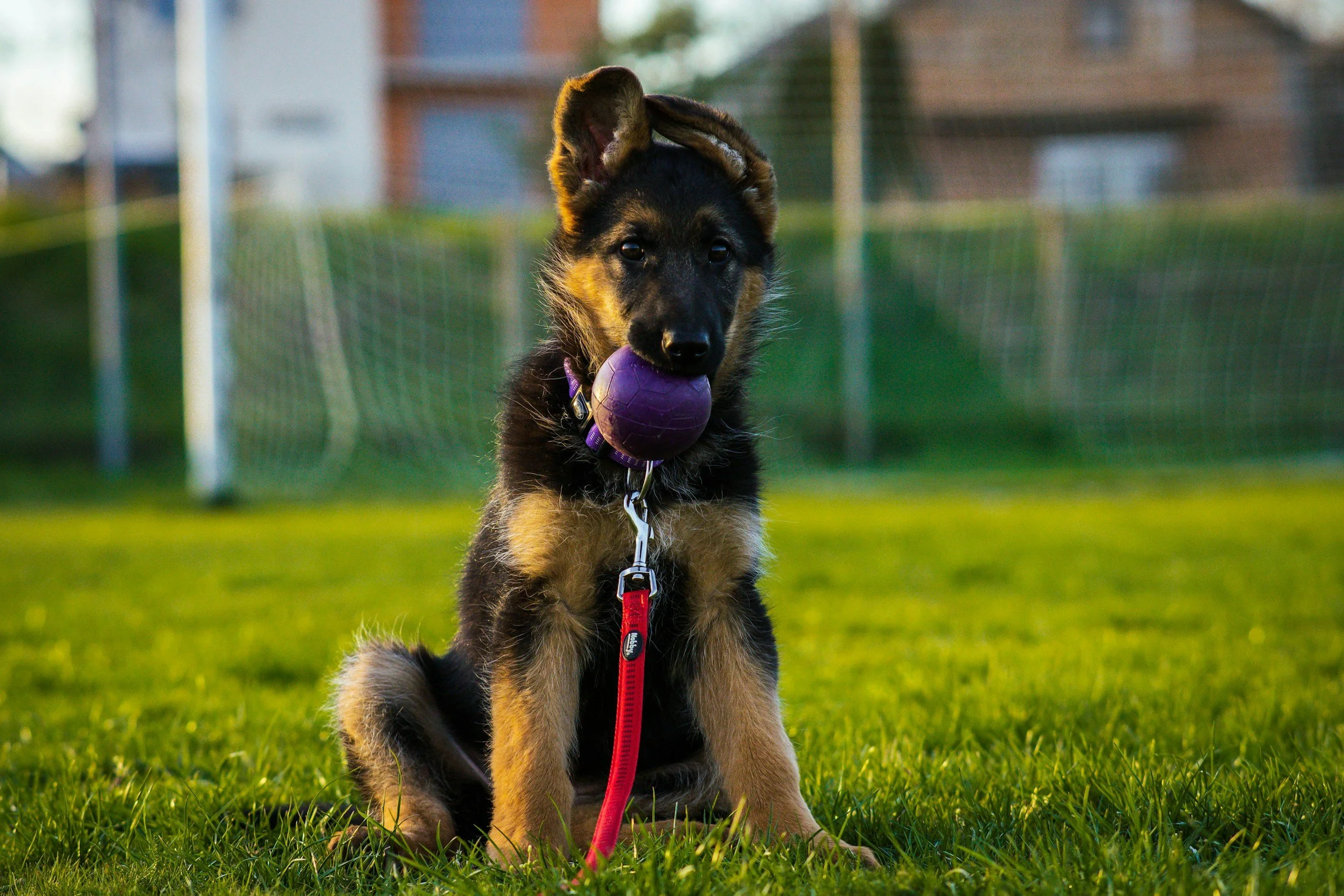
When dogs are first learning an expected behavior or obedience cue, this initial phase of learning is what’s known as the acquisition of that skill. During this learning phase, they build understanding and confidence in simple, low-distraction scenarios to start like in a particular room in the house or in a training environment. This typically remains over the course of a few days to a few weeks, depending on the individual dog’s age, temperament, prior experience, and the consistency of practice. The reward schedule is consistent and continuous to build motivation for learning, and each cue is something that has a clear verbal or visual signal. Over time you may try these new behaviors out while you’re over someone else’s house or out at the park.
At the end of this learning phase, you might notice your dog anticipating what you’re asking in the predictable contexts that you’ve practiced in: in your home, in the yard, or at the park. When you can reliably expect a behavior without any luring when there’s a little distraction, your dog is heading towards fluency.
Most People Stop at Fluency, Leading Them to Think That Their Dog Knows Better — This is a False Sense of Security
Fluency is the learning phase where you are able to cut back on using lures and high value rewards for most learned skills while only rewarding intentional and chosen displays of desired behavior to refine it in the contexts they need to happen.
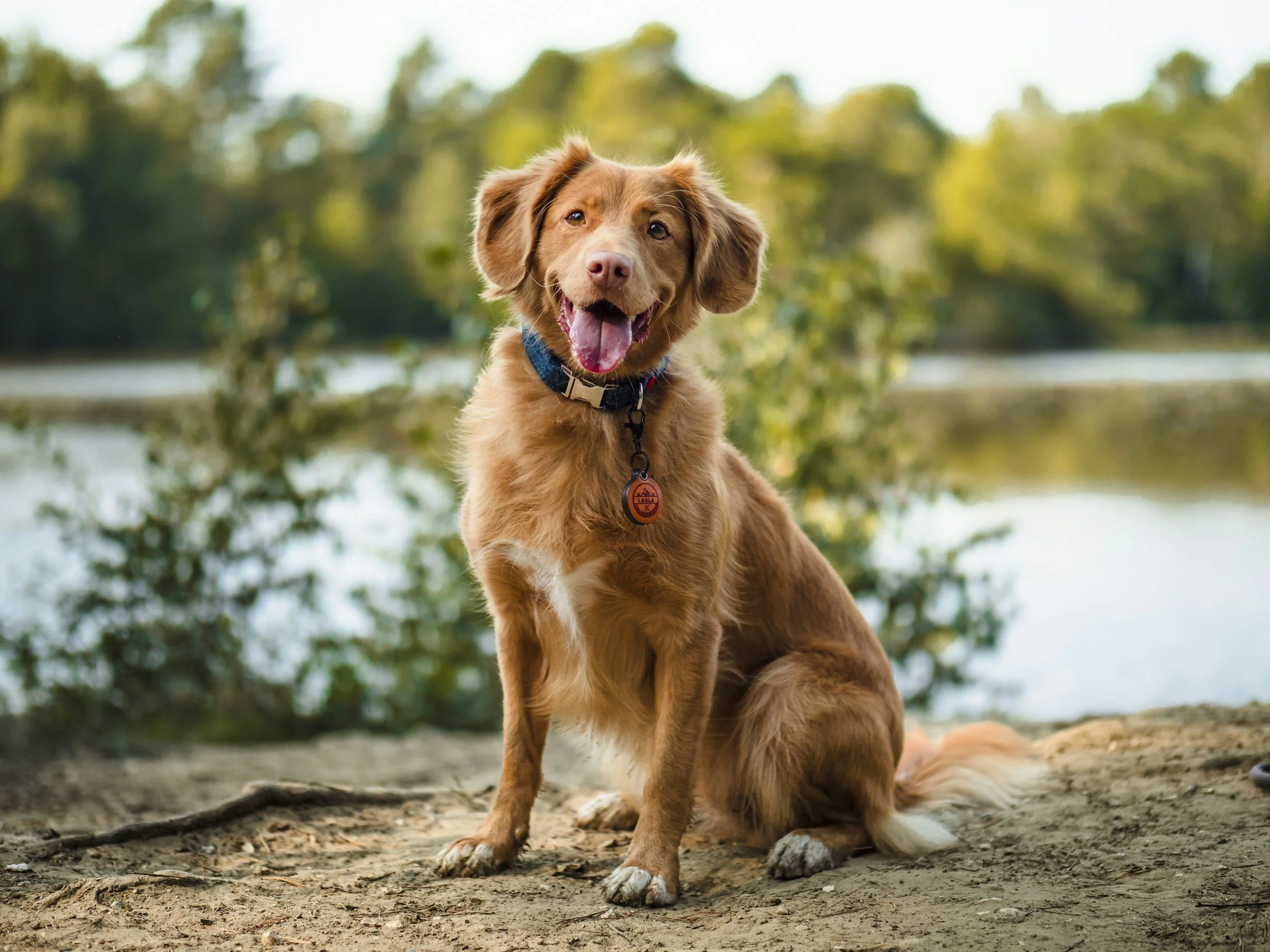
Rather than asking for a sit at the front door every day multiple times a day, you start to wait for it to naturally happen before going outside with your dog. You’re doing this so that your dog learns that for the reward to be earned, they must choose the right behavior in the same context you’ve been continuously luring and practicing. This is in order to make the behavior become faster and automatic around predictable, daily distractions.
Key word being “predictable” — daily distractions common around your house like your kids playing rough, cabinets slamming shut, cars passing by, being in the same park with kids and other dogs, etc. — that become routine and ignorable over time. Most people stop here because it seems like the skills have translated well across different situations, that is until something unpredictable is present like an ambulance siren, an off-leash dog, or a dropped piece of food. Fluency of skills in different contexts through proofing leads to generalization of skills in higher-stakes situations, influencing the adaptability of your dog’s behavior.
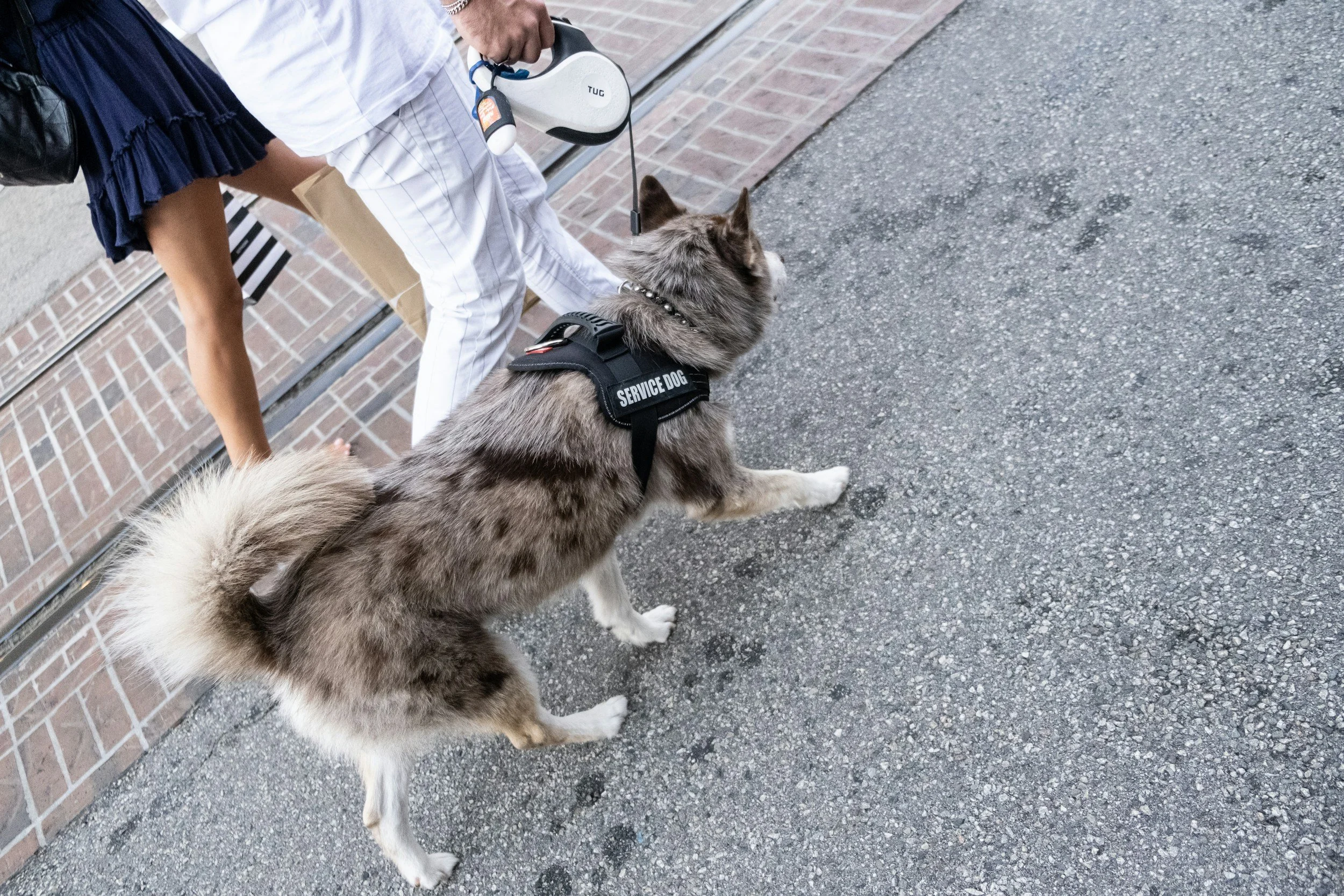
Generalization is a dog’s ability to mentally transfer skills between multiple contexts with different types of distractions without relying on lures or high value rewards — a settle at home with just you and your family on the couch is also a settle on the floor at a dog cafe around strangers, food, and other dogs while you’re meeting your bestie for brunch with her dog. Service dogs in particular need to reach this stage before public access is introduced and it takes A LOT of practice.
Before you even go to brunch, you must practice just on the floor at home, and then when visitors are present, and then at grandma’s house while she’s making dinner, and then at your bestie’s house while you’re eating lunch, and then around dogs at the park that are barking, and then at pet-friendly store where there’s strangers, and then at the dog cafe as a training session, and then you can bring your dog to brunch and have a well-behaved, predictable dog that doesn’t need consistent reinforcement for the entire hour.
This isn’t just reserved for service dogs — pet dogs can reach this level of reliable behavior.
What you shouldn’t do is go from practicing at home or at the same park everyday straight to the dog cafe; that sets you and your dog up to fail because they are less likely to generalize their skills well into a new and sudden context without proofing.
Maintenance of Skills Leads to Mastery
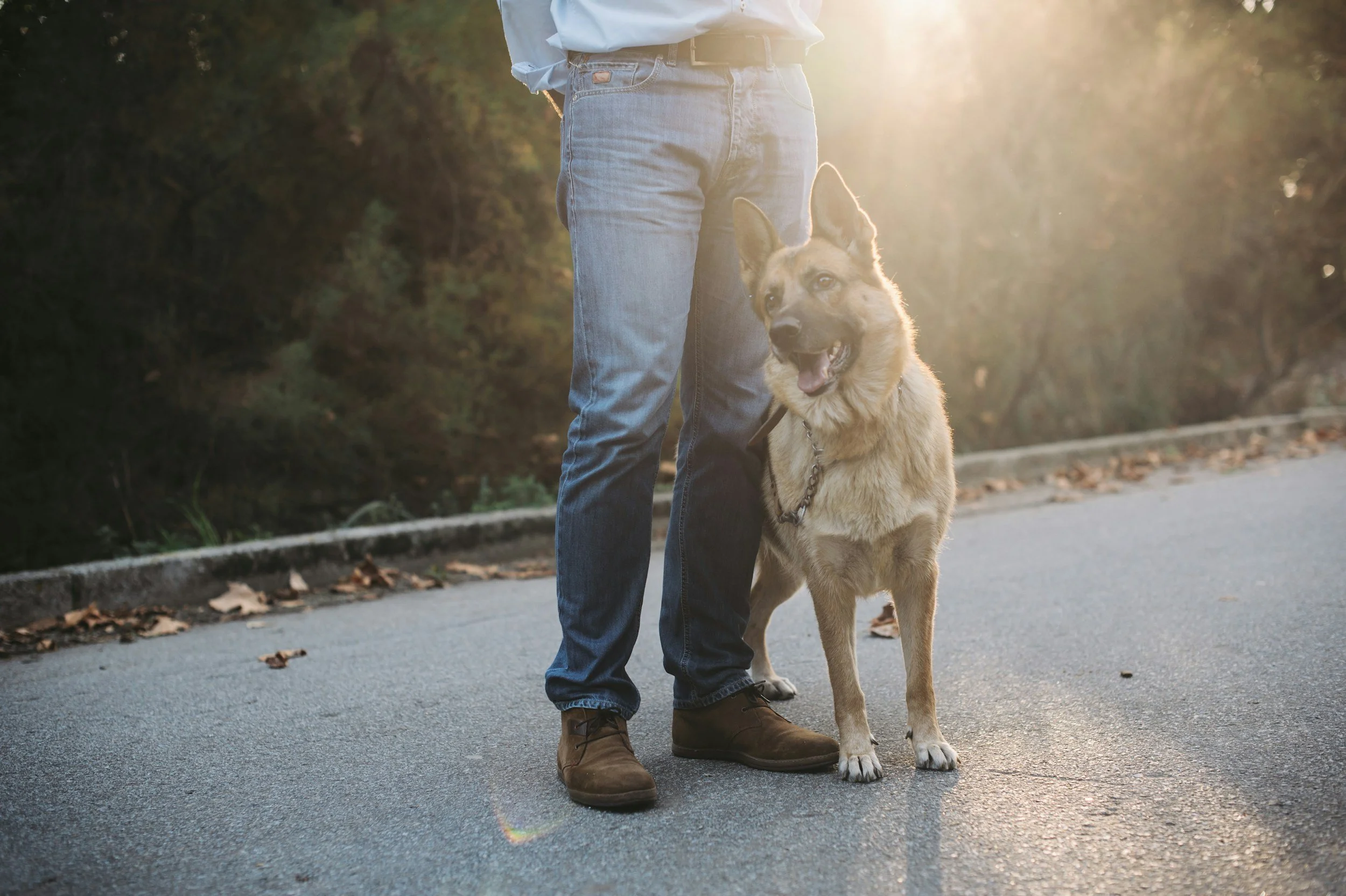
When you notice that your dog is predictably behaved in a whole lot of contexts, you’re approaching maintenance of their skills by using life-rewards and life-motivators: life rewards like having your dog wait to be released from a sit before getting their dinner, having your dog settle before being let outside to run around, having your dog down and leave it while playing, having your dog on place while you’re eating dinner before their evening walk, etc. every day in different contexts.
Maintenance is where you’ll notice obedience becoming routine and expected behavior, not just a cue used in practice. You’ll notice that you won’t need to ask for some behaviors, that they just happen — sitting when they greet someone, waiting to be released after a down, going to place when the doorbell rings — behavior becomes solid based in obedience. But! If you don’t use them, you lose them — so change up the context and ask with a challenge to make your dog think like adding platforms, conditioning exercises, or in new places.
Obedience Becomes Behavior When Generalized Correctly
Obedience is the bridge between human expectations and a dog’s behavior, but a lot of the time obedience becomes more like the dog performing tricks rather than the human shaping the dog’s baseline behavior. In the case of Max like I opened with, obedience cues stayed cues only to be acted on when asked only when predictable. They weren’t generalized into automatic offered behaviors in more unpredictable situations.
Unfortunately, this is how dogs are set up to fail — obedience becomes performance over baseline.
~ Ashley