
Stop Blaming Small Breeds, and Start Blaming Bad Breeding and Bad Habits
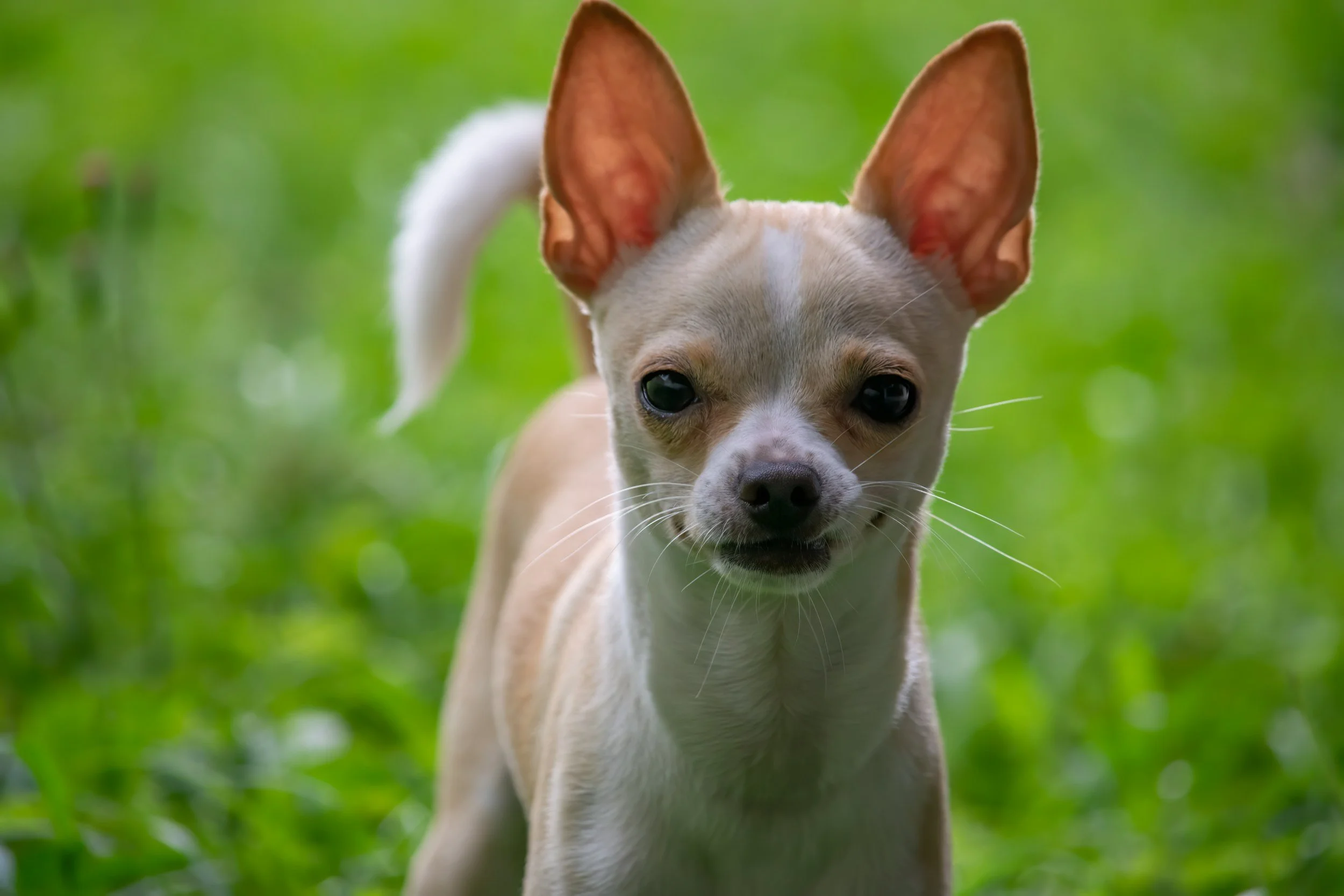
Small breeds — Chihuahuas, Yorkshire Terriers, Shih Tzus, Pomeranians — get slandered constantly, and it seems like everywhere you turn, from social media platforms to everyday conversations, toys and terriers get unfairly labeled. They often receive a bad reputation for being aggressive, spoiled, or just plain noisy. How many times have you heard someone say, “It’s not Pitbulls that are mean, it’s those dang Chihuahuas!”?
And honestly? The stereotypes say way more about human behavior than they ever have about the dogs. Any trainer who works with dogs of all sizes (me included) will tell you: small breeds are not inherently bratty, reactive, or untrainable… they’re just under-supported and the system is rigged against them.
Every month, I meet tiny dogs who are labeled as “reactive,” “aggressive,” or “badly behaved,” when the real problem is a mix of irresponsible breeding, under-socialization, and low training expectations. These are all human choices, none of which are the dog’s fault. They don’t choose to hate the world, they’re taught to.
Small Dogs Aren’t Born “Bad,” Humans Train Them LESS
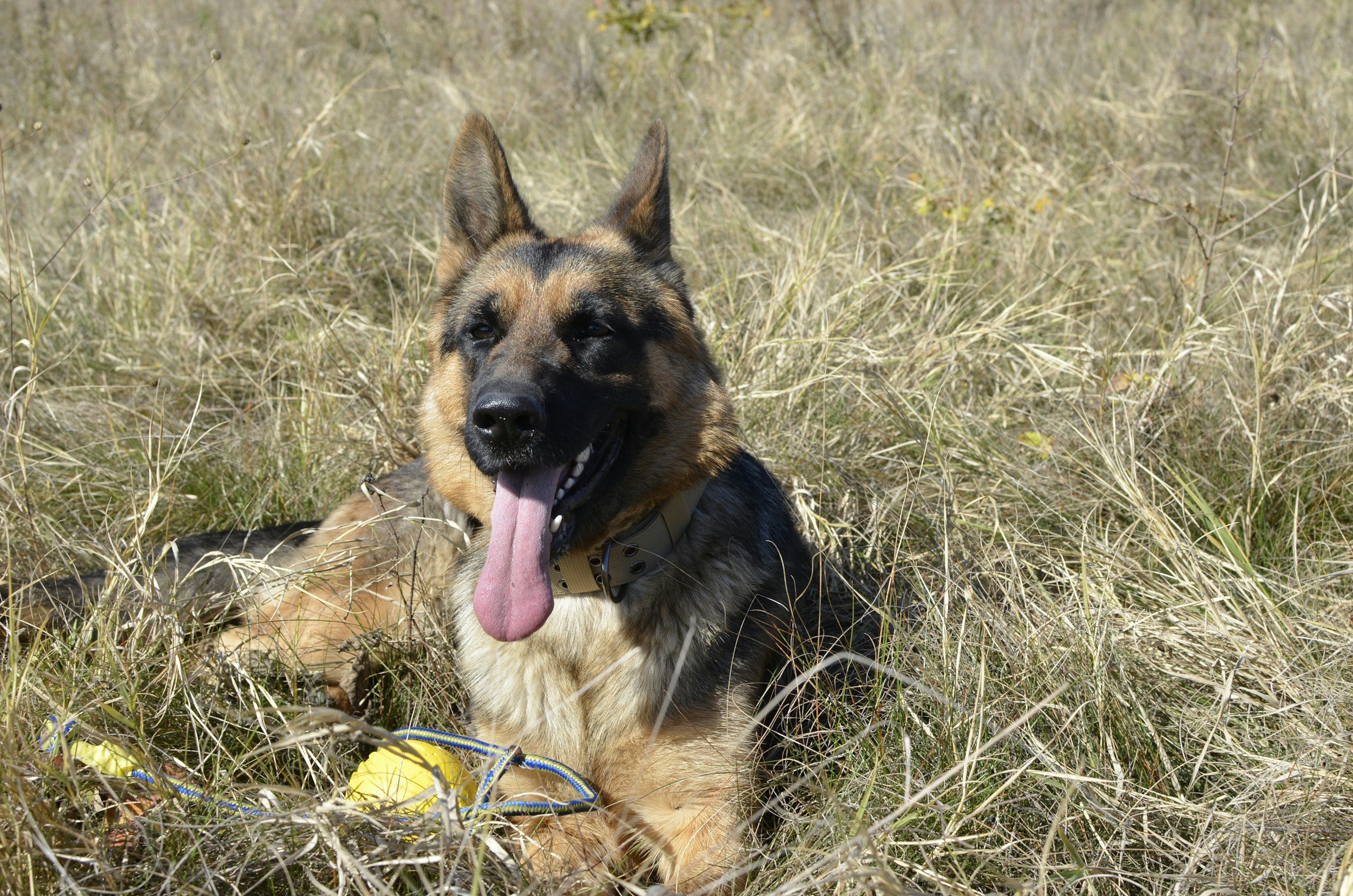
When a German Shepherd pulls on the leash, lunges at other dogs or people, guards against children, or growls aggressively toward visitors, people tend to take the behavior very seriously. Dogs can do significant harm if aggressive tendencies are left unchecked. It often leads to months of professional training, possibly including a highly respected board-and-train program, where professionals work intensively with the dog outside of their home as a hard reset. In some cases, if owners feel they simply can’t get through to their large breed dog, they might even consider rehoming as a last resort to ensure everyone’s safety and happiness.
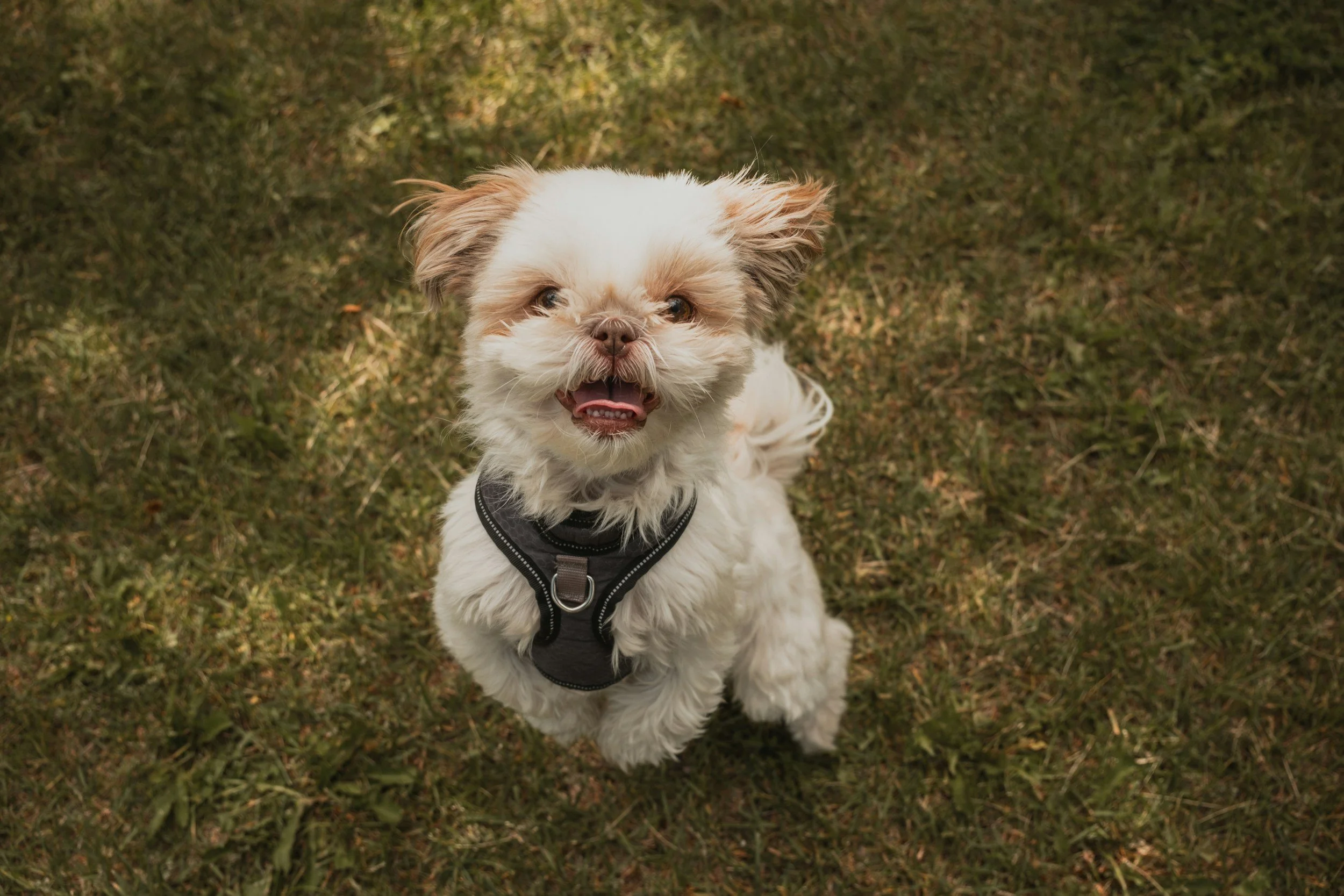
When a 7lb Shih Tzu does the exact same thing?
They laugh. They shrug. They record a video. They say, “he’s small, it’s fine, he can’t hurt anybody, he’s just got little man syndrome.”
It sets the little guys up to fail. Do you want them to think children are tasty? I sure don’t.
Breed Traits Do Matter, but Not in The Way You Think
The key difference here lies in the fact that it is perfectly within the German Shepherd’s temperament standard to be aloof, fiercely loyal, and highly territorial. These traits make them exceptional as working K9s, excelling in roles that require focus and protection; it comes naturally to them when channeled effectively.
But…
German Shepherd Dogs are one of the top breeds rated for reactivity towards other dogs and people because people pour thousands on training and management instead of drive fulfillment, exercise, and mental enrichment.
On the other hand, the Shih Tzu’s temperament standard is quite different… it’s within their temperament to be naturally friendly, outgoing, and genuinely eager to please their humans AND strangers alike. They’re supposed to be lower energy, perfect for a low energy family in an apartment. And yet, you see many Shih Tzus and other toy breeds like Havanese, Chihuahua, Pekingese, Cavalier, Maltese, and even the Toy Poodle that can have extreme guarding and aggressive tendencies directly opposite of their standard because of being poorly raised and handled.
It doesn’t help that people think provoking them for clout is funny.
At least with a German Shepherd, you know what you’re in for. People at least try to tell their kids not to mess with big dogs.
Why the Slander???
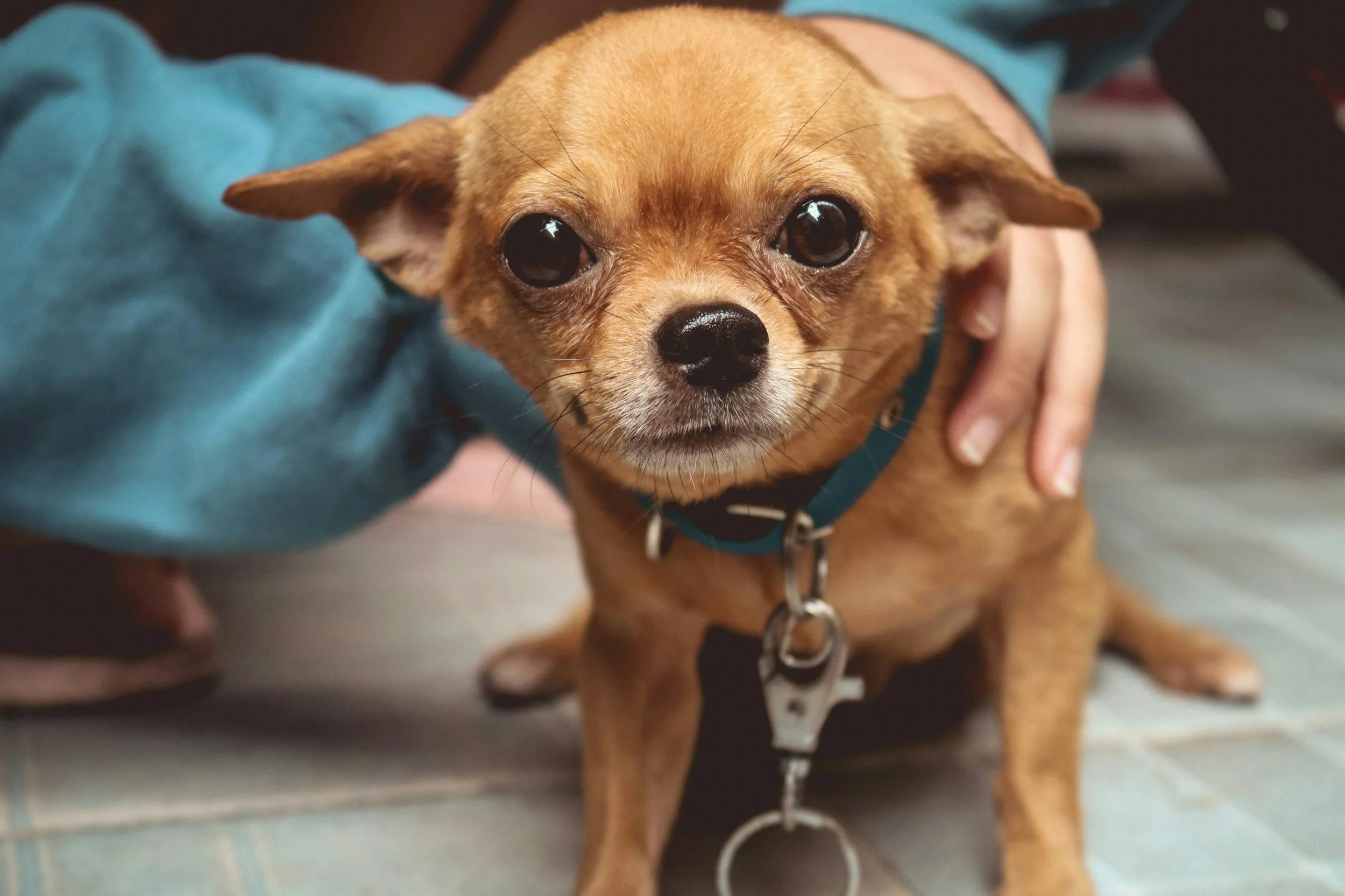
This mindset of “this is dangerous in a big dog, but cute and funny in a tiny dog,” often results in small breeds receiving significantly fewer structure-based routines, fewer clear boundaries, fewer opportunities for real-world exposures, fewer consistent training repetitions, and overall, fewer expectations placed on them.
I have free consultations to explain exactly this — I specifically highlight the importance of owner structure, clear expectations, and breed awareness as part of every behavior assessment — things small dogs rarely get from the start, even with some experienced trainers attributing their behavior to just being a small dog.
So, when they act stressed, overwhelmed, or defensive, it’s not “small dog attitude.” It’s the predictable outcome of a lack of support from the people who supposedly care about them.
Backyard Breeding Completely Warped Small Breed Temperaments
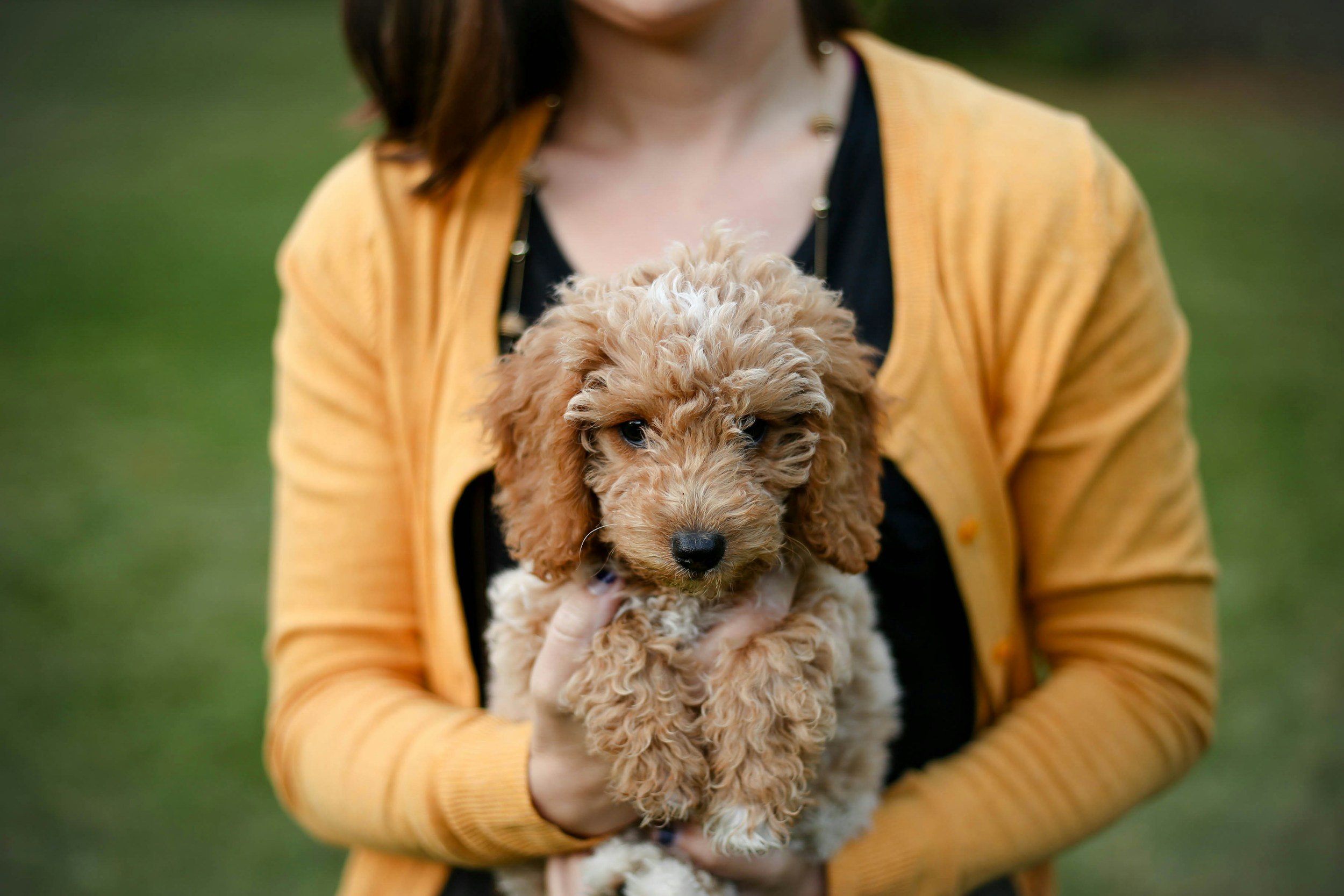
Many small breeds — especially “designer” mixes such as everything-doodles and crosses between toy breeds and working breeds — often come from backyard breeders who prioritize appearance and quick profit over maintaining stable genetics or ensuring good behavioral health. If there was only one type of poodle mix, like the Pudel Pointer is, with a consistent standard and breed club, it wouldn’t be so bad… but that’s wishful thinking.
For our little guys, this mixing of breeds and poor breeding practices is extremely detrimental because toy breeds are meant to be companions, that was their purpose of being bred in the first place. If a toy breed “needs an experienced home,” “can’t live with a household of more than two people” and “can’t be around kids ever,” that’s an indicator they weren’t bred for purpose other than color and money.
Yorkshire TERRIERS are TERRIERS
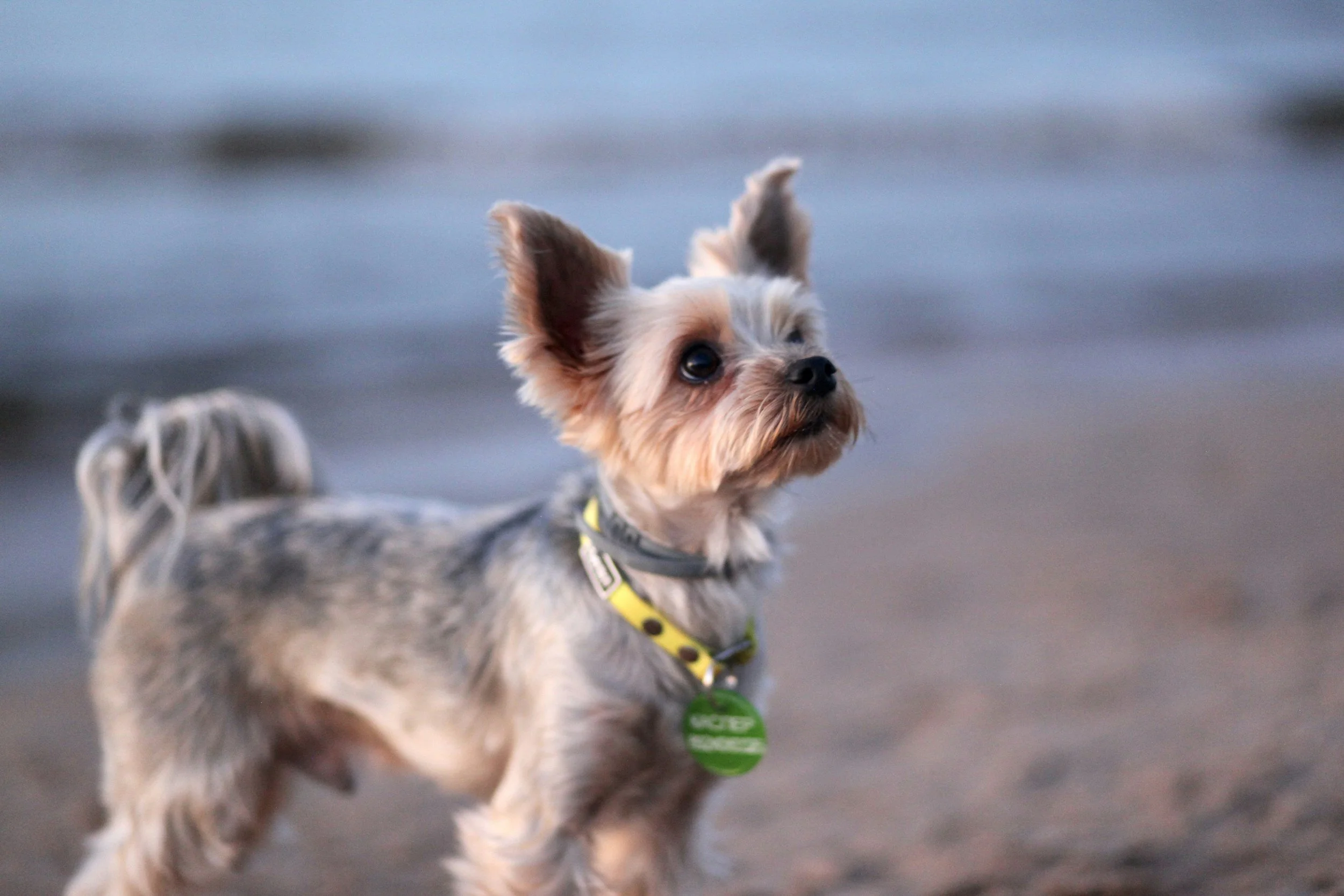
People who know little to nothing about dogs often believe that Yorkshire Terriers and similar small hunting breeds are toy breeds as well. However, this is not the case — they’re true terriers, highly skilled hunters by nature, and are known for their remarkable tenacity and bravery. Despite this, they are often marketed as sweet, loving, and gentle companions, much like various toy breeds, even though their true temperament can be quite bold and spirited.
They need just as much mental stimulation if not more than your average pet to be fulfilled.
They’re supposed to alert bark.
The Lack of Knowledge in Dogs by Backyard Breeders Causes So. Many. Problems. For These Dogs
Specifically, these poorly bred toy/terrier/doodle mixes have unstable temperaments that can make them snap unprovoked especially towards children if their warning signs are not taken seriously by the adults around them. Bad breeding can also lead to anxiety-prone litters struggling with adjustment to socialization after weaning, and the weak socialization foundations that follow that put a stop to healthy interactions later in life.
Do you really think a breeding farm properly cares for 8 litters at a time?
They don’t.
There are so many small dogs that are reactive because of bad breeding. Reactivity can be passed down genetically when there is no screening of parent behavior, and especially if the parent dogs aren’t well taken care of. Stressed dams = stressed puppies.
And it always gets worse, because puppies of these poorly bred litters are often separated from their mothers too early to be sold as “teacup” varieties, which means they’re missing out on crucial learning time, and receive zero early exposure to normal life experiences that help build confidence.
Then these dogs grow up not knowing how to handle real life, and people often shrug and say, “that’s just how she is!” as if nothing can be done to help. I’ll hold your hand when I say this: it’s your responsibility to teach your dog how to cope in a manmade world even if they were poorly bred.
Socialization for Small Dogs Looks Very Different, and it Harms Them
During the crucial socialization window between 8-16 weeks and continuing beyond into fear periods, small dogs often have their lives made up for them by their humans. Yes, they definitely see the world very differently than larger dogs do, with unique perspectives and sensitivities, but that absolutely doesn’t mean they don’t need to be conditioned to living a happy, confident life.
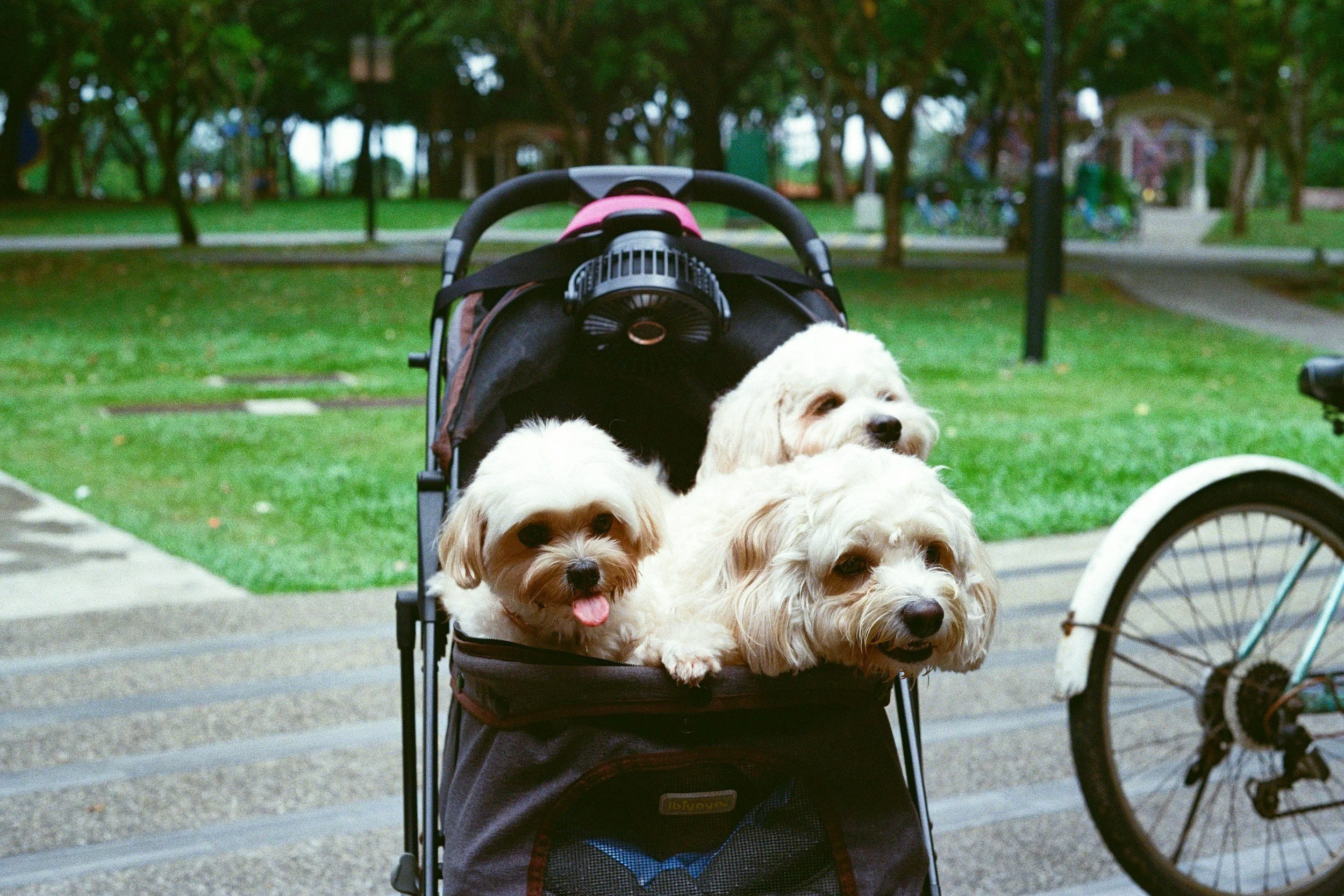
Even if you use a stroller, exposing them to everyday sights and sounds does help!!!
In everyday households, toy breeds get:
scooped up and cuddled the moment they feel scared
removed from new or challenging situations instead of working through them
shielded from the outside world instead of being gradually introduced to it
coddled when they’re uncomfortable instead of being safely conditioned to handle stress
protected excessively from normal life experiences that help build confidence and resilience
medicated before trained
And it only teaches them to have more fear, not less. Some small dogs become confrontational even if they can’t cause real harm. Then, in situations where adaptability is needed like at the vet’s office or groomer, or even in boarding at a daycare, these dogs can’t cope well and their stress become physical illness. As a trainer, it makes me sad to see, which is why I also teach people Cooperative Care especially for small dogs.
When You Train a Small Dog Like a Real Dog, the Stereotypes Fall Apart
I have had the pleasure of working with small dogs who were incredibly focused and confident. These little pups were not only polite and social but also impressively resilient when guided with consistency. Distractable? Yes. Attention driven? Also yes. But, when you understand a small breed especially a toy breed, they truly are brilliant little training machines, often demonstrating more emotional stability than many larger breeds.
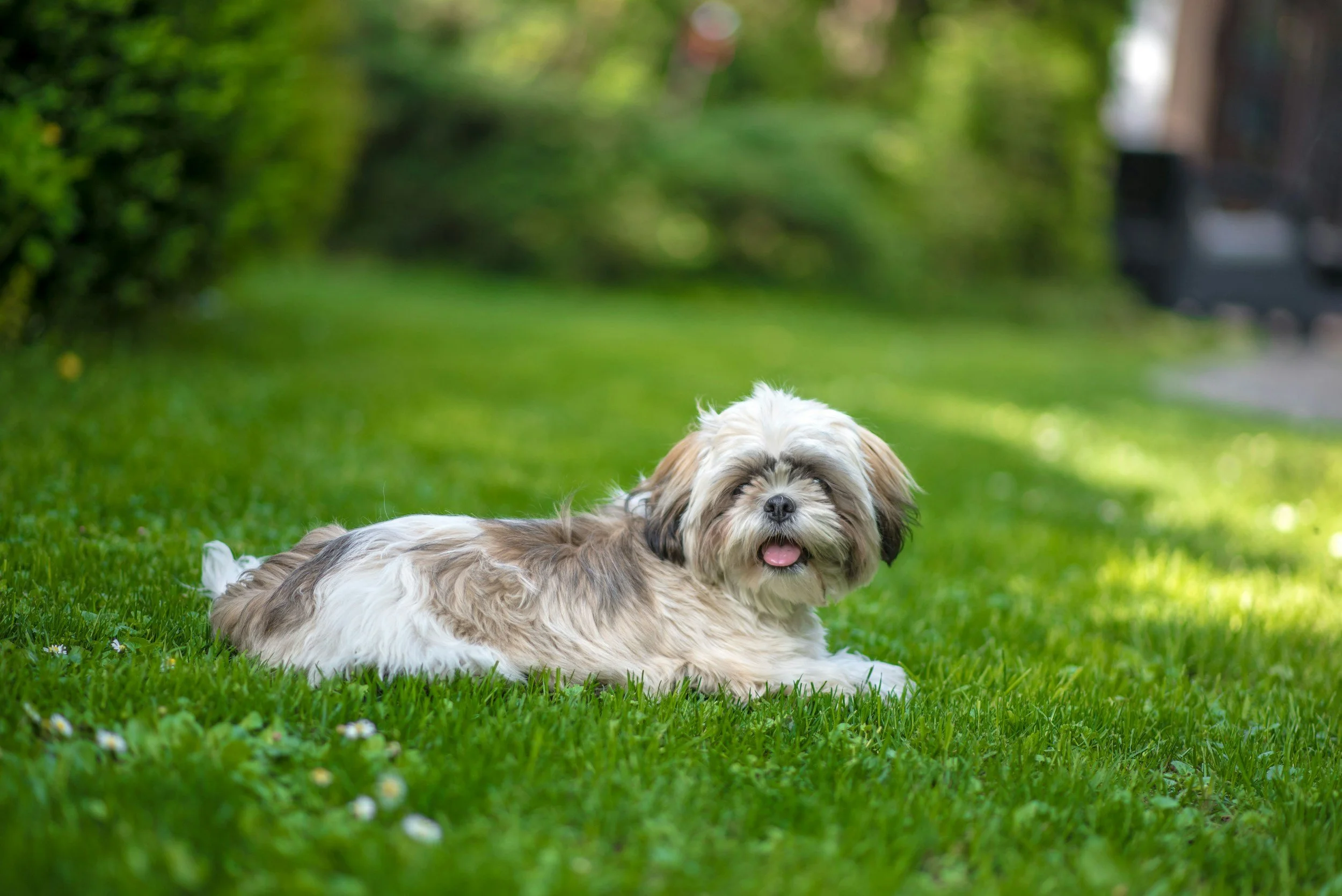
The difference?
good early exposure to a variety of sights, sounds, and experiences
clear boundaries that help their dog understand expectations
consistent routines to create a stable and predictable environment
real-world practice that reinforces training in everyday situations
owners who treat their dogs like living, breathing animals with needs
When small dogs are treated like real dogs, the stereotypes crumble. Funny, right?
~ Ashley