
When Loving Your Dog Feels Like Another Chore
How to Balance the Mental Load Without Guilt — A Dog Trainer’s Perspective

The Assumption That Raising a Dog is Rewarding for Everyone, All the Time, Isn’t Accurate or Realistic
Some days it’s anything but rewarding when loving and caring for your dog feels like one more chore on an ever-growing list instead of an experience you actually enjoy.
Maybe you work long hours as a nurse and come home bone-tired on your days off. You feel like you aren’t doing enough for your dog, but you don’t know what extra steps you can reasonably take that won’t push you past the edge of burnout. You want to do more with your dog and give them a fuller life, but getting out the door takes so much energy that it stops being enjoyable.
Maybe you’re a mother, already feeling overwhelmed most days, or a father whose time with family, and the family dog, is squeezed into shorter and shorter windows. You feel guilty for being so busy, yet no matter how hard you try there’s always another thing to worry about and never quite enough time to handle it all properly. You want to spend more relaxed, meaningful time with your dog doing the things they love, but you don’t always have the time to drive out to the lake for long off-leash play sessions.
Maybe you’re facing a disability that affects your mental or physical health, and you do everything within your means to provide a rich, loving life for your dog. You feel a quiet shame that you can’t do every single thing you wish you could — you want to, you try to, but sometimes you simply can’t.
I get it.

What You Can Do Today to Lessen the Mental Load
1. Work to Reframe Your Thought Process
It’s easier said than done, but this is the very first step to take if you find yourself feeling this way and getting stuck in repetitive thinking that undermines your relationship with your dog. We often get tangled in threads of doubt or overwhelm and forget to acknowledge the effort we do put in, and that our dogs are being cared for, even while we’re managing mental health challenges.

“I haven’t taken him out for a real long walk in days, he deserves more. I’m a horrible owner.” —> “I was able to take my dog out for a quick potty break several times today, and that’s okay. We played a round of hide-and-seek, he enjoyed some enrichment toys, and we spent some time relaxing on the couch together. I can try for a longer walk tomorrow.”
“I can only afford to feed Pedigree right now. I feel like a terrible dog owner.” —> “I can afford to feed my dog with the money I have, and that’s okay. He loves mealtime, and sometimes I add some bone broth or boiled chicken to make it a little better for him. I’m doing what I can for now, and maybe in a few months I can switch his food back to Purina or Hills.”
When you can reframe the emotional thought process and patterns of behavior that get in the way of enjoying taking care of your dog, it can make a world of difference in how you treat and connect with them.
Working on this can look like enrolling in therapy or support groups, asking a trusted friend for advice, practicing meditation, keeping a reflective journal, or pausing to take a deep breath when you feel stressed.
2. Spend 5 Minutes Giving Undivided Attention Your Dog
Just enjoy your dog.
Easier said than done, of course, but regular affection and focused attention are essential for any relationship to flourish — especially the one with your dog. You’re the person they love and the world they understand; your presence and time together matter more than constant activity. They don’t need you to be on the go every single day, but they do need you to care for them, be present, and share moments of connection no matter how small.
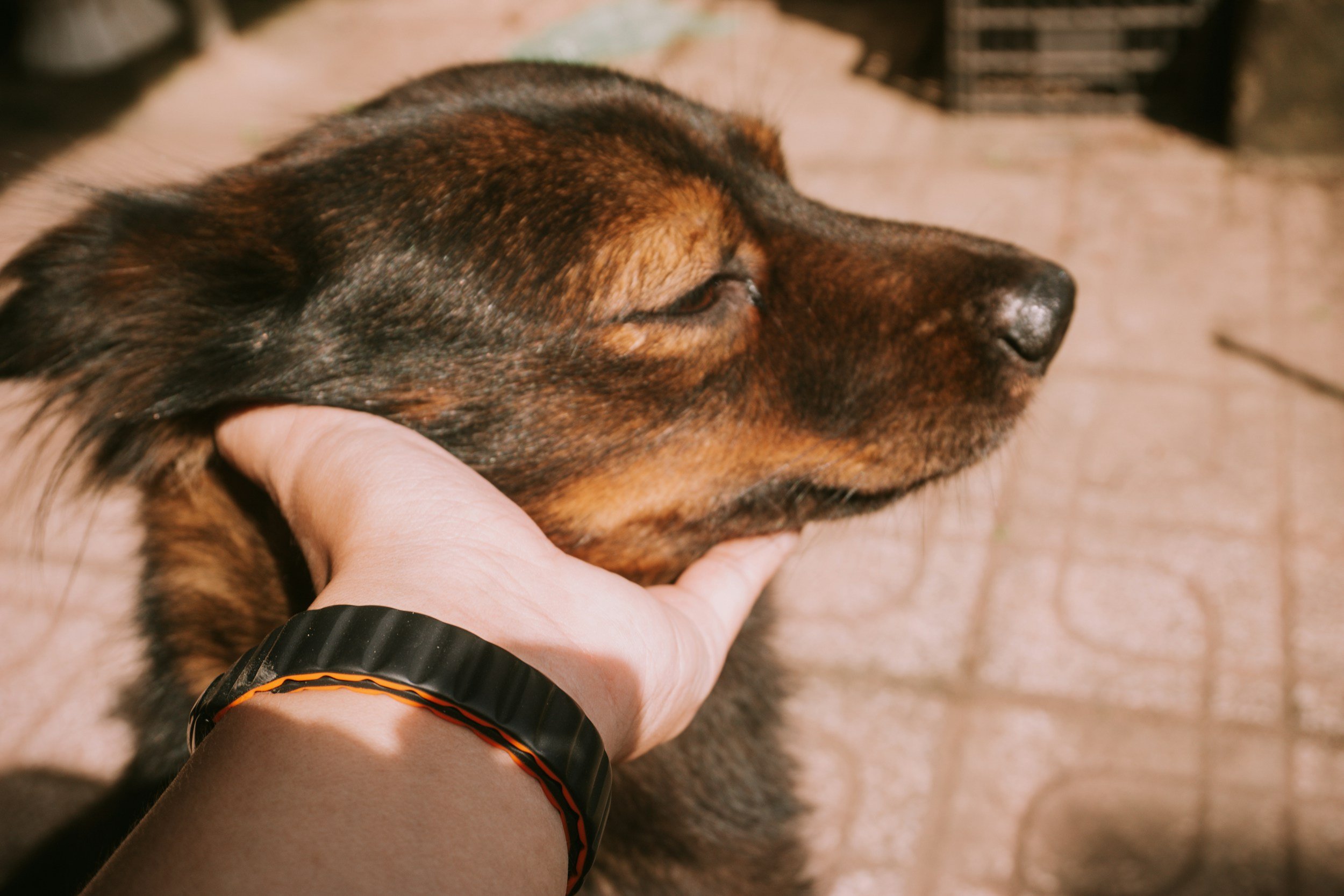
Dedicate time every day, even just 5-10 minutes, to simply sitting and spending quiet time with your dog. You don’t need to do anything extravagant, just unplugging from screens and being present can help you get to know your dog better and truly appreciate the moments you share.
This can look like brushing them, sitting on the couch and petting them, relaxing outside and watching people walk by together, or even taking a nap side by side.
3. Create and Follow a Schedule with Every Family Member
If part of the reason you’re struggling is because you find yourself doing everything for the family dog, it’s time to get everybody together and divide up and delegate what needs to be done. If Mom handles morning walks and feeding, Dad can take on the afternoon walks and meals. Your son could pitch in by playing appropriately with the dog outside, or your daughter could do that instead; or, the kids can help with brushing and basic training games. Everybody should have a clear role so that one person isn’t stuck doing everything, all the time.
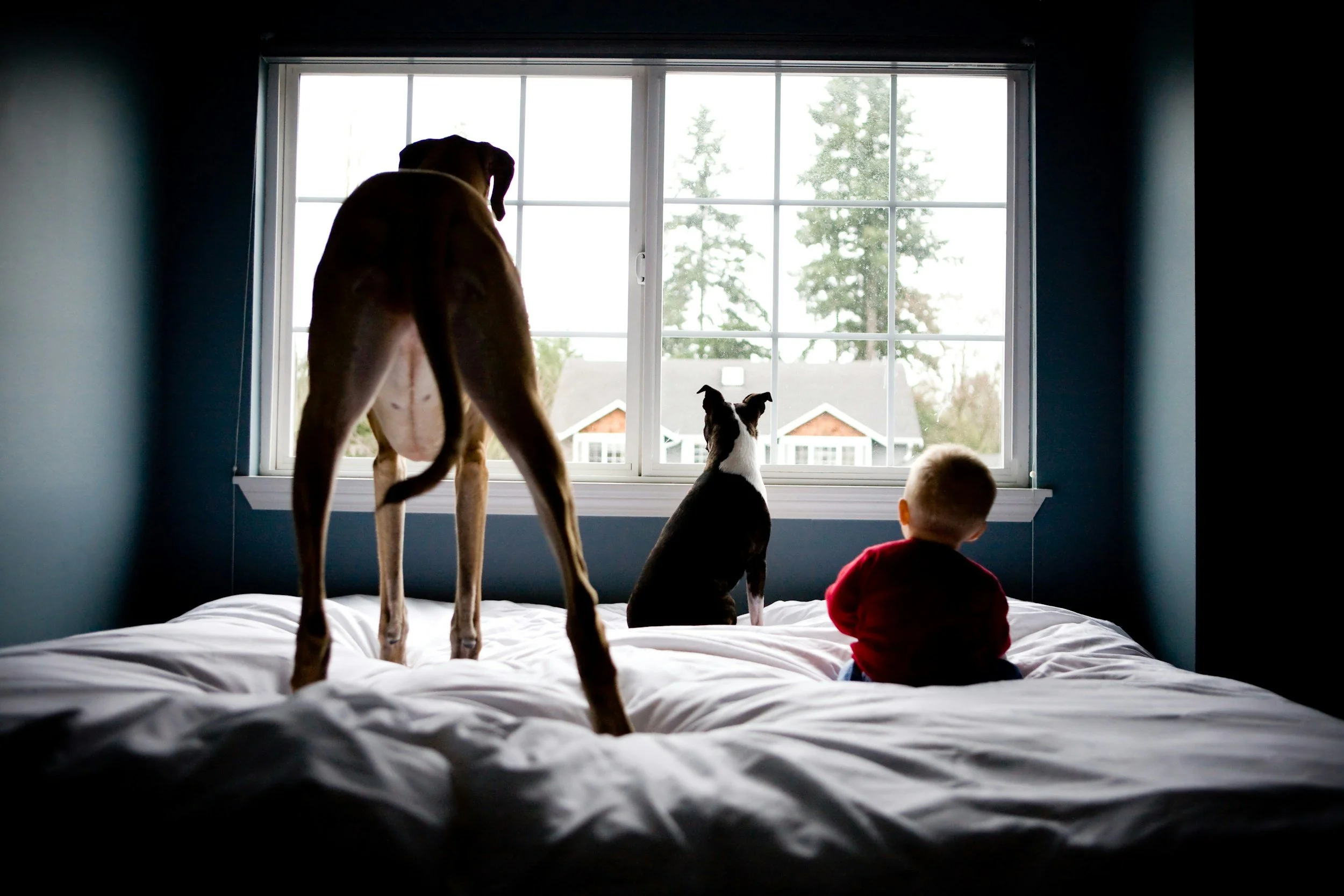
Sometimes, even making small changes feels like a lot and that’s okay. Dog trainers and other professionals, such as counselors, peer support leaders, and therapists can help design a realistic schedule and routine for everyone to follow, easing stress and improving the relationship between your dog and your family.
4. Spend 10 Minutes Training with Your Dog
Even if it’s just fun, silly tricks that make you smile and bring you joy to watch, training with positive reinforcement can deepen and strengthen the bond between you and your dog. Training doesn’t have to be daunting, rigid drills, or only about preparing for public outings — sometimes it’s simply about making time to have fun together. Trick training is not only absolutely adorable to see, but it also helps burn off energy, keeps their minds engaged, and gives them mental stimulation when outdoor time is limited.
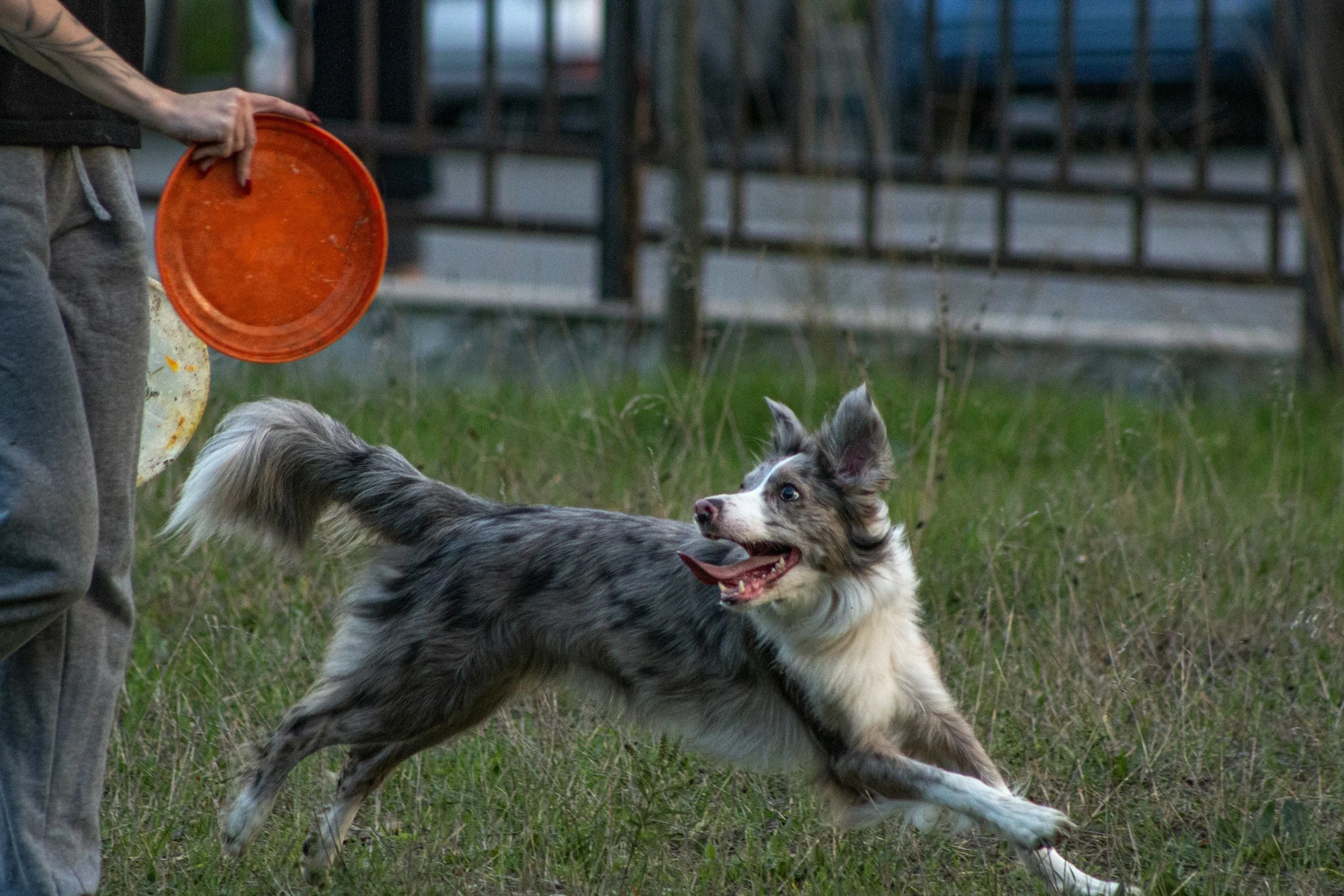
If you don’t have the energy to engage with your dog in this way, reach out to friends, family, or neighbors to see if anyone would be willing to spend some time doing fun tricks and games with your dog alongside you. Having a body double or training buddy can boost motivation, help keep sessions consistent, and make the experience more enjoyable for both you and your dog.
5. Reach Out to a Trusted Person for Help with Daunting Tasks
Similar to having a body double when training your dog, you might still feel overwhelmed by everyday tasks like feeding your dog or cleaning up after them. Sometimes an environmental reset and a break is what you need. Reaching out to friends, family, or trusted neighbors can help — you may be able to pay someone, arrange a pet-care exchange, or find short-term support to help care for your dog when you need a break.
-
Any Buddy Will Do Pet Services — Pet sitting, dog walking, and overnight boarding.
Sutton Scoops — Scheduled poop scooping and yard cleanup
Barnegat Vet — Veterinarian loved by locals, you may find other pet care providers asking for referrals.
Along with this, it is important to be aware that before accepting help from anybody you should do thorough vetting and make sure you truly trust them, even if they’re a 16-year-old dog walker with good intentions.
~ Ashley