
From “Perfect Fit” to Returned: Where Adoption Expectations Fail the Dog
It’s Unintentionally Misleading
There is a phrase I see constantly in rescue and shelter marketing: “This dog would be the perfect fit for someone willing to give them the chance they deserve!”
Maybe they love other dogs. Maybe they met a child and did well. Maybe they temperament tested with cats and this dog couldn’t care less. Or maybe (most commonly) they’re described as a Lab mix, a family dog, a couch potato, or an adventure buddy who “doesn’t know their own strength” and “thinks everyone is a new best friend".”
A happy family with cats and two other dogs comes along, submits the application, passes the meet-and-greet, and brings the little guy back home.
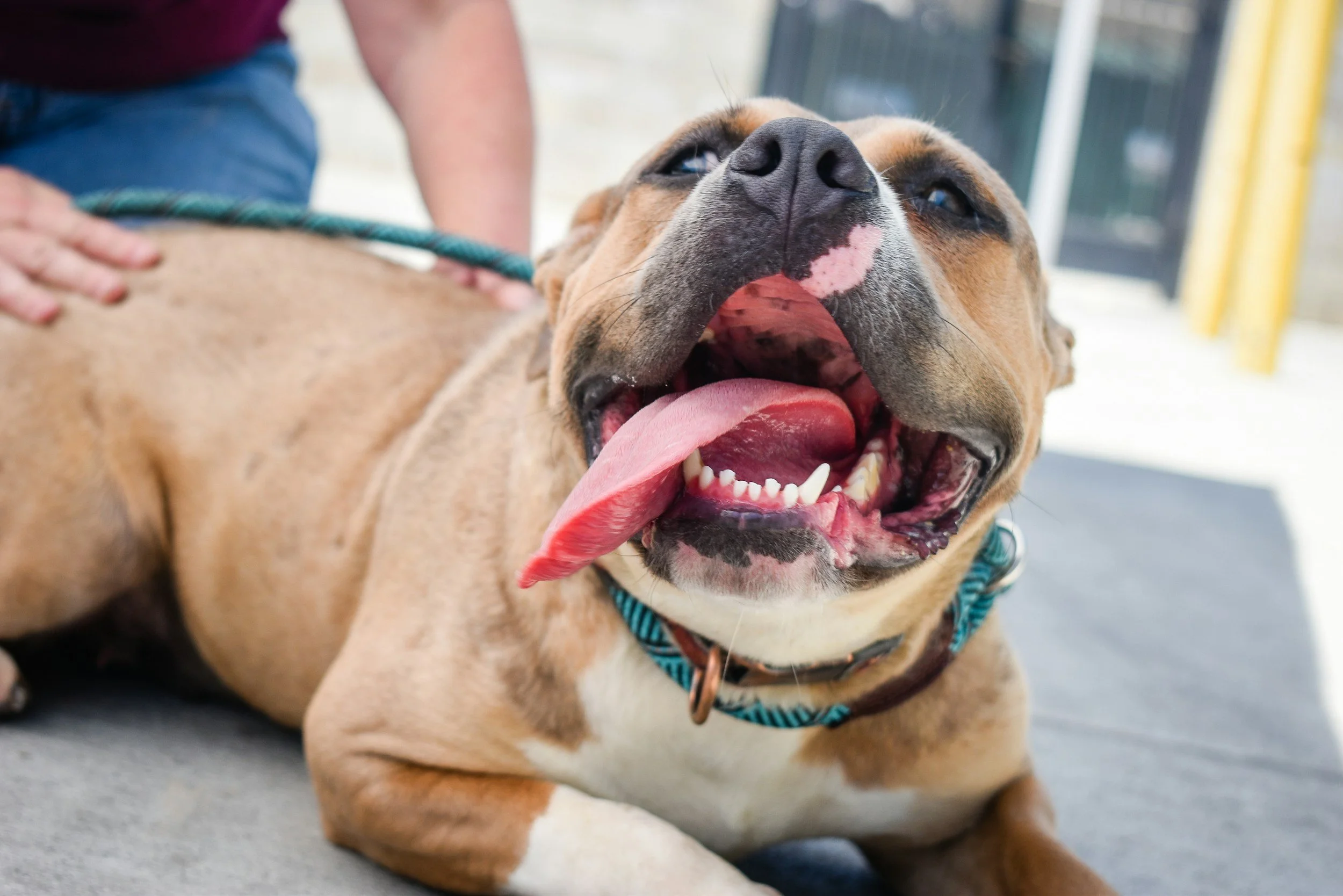
The Afterparty Isn’t as Fun
Yay! A successful adoption!
Shelter staff celebrates, posts the farewell on Facebook, and wishes them luck. They give a pamphlet of local professionals, a guide to the 3-3-3 rule, their folder of vaccine and health history, and offer transition assistance packets should anything “arise” in the next few weeks. Maybe they give a referral list to partner trainers just in case.
But as the shelter celebrates a win, the adoptive family starts to struggle.
Three days later, they’re growling at the resident dog for stepping too close to their food. No big deal, you think, we’ll feed them in separate spaces. Problem solved. I expected this.
Two weeks later, they’re barking at every stranger, dog, and animal who walks past the house. That’s not very nice, you think, but we can keep the blinds down, use the crate some more, and look into training if anything escalates. Manageable, but not ideal. For now, it’s okay. Dogs bark. Maybe he’ll mellow out in a few weeks.
A month later, you realize the energetic “Lab mix” you brought home might actually have some pretty intense hound, herding, guarding, or bully-breed traits you weren’t prepared for and every day you try to meet their needs but every day they need more and more. If I reach out now, you think, maybe they’ll judge me for failing this dog. I’ll wait a bit longer and ask about dog trainers that people I know have used - maybe that’ll help, because maybe I just don’t know what to do.
Two months later, and $1000 towards a board-and-train that you can’t get back, you decide you’ve had enough. Your molding is destroyed, there’s a hole in your drywall, your kids can’t pet the dog or they’ll get snapped at, you’re getting headaches from the nonstop barking, you just broke up a scuffle between your resident dog and this dog, and you just finished a brutal workday and its only Tuesday. This isn’t what I wanted living with a dog to be like, you think, I’m taking this dog back tomorrow. I can’t live like this.
It’s Not Always The Adopter’s Fault
Suddenly, the perfect fit doesn’t feel so perfect. Feels a little… much. Incompatible, even.
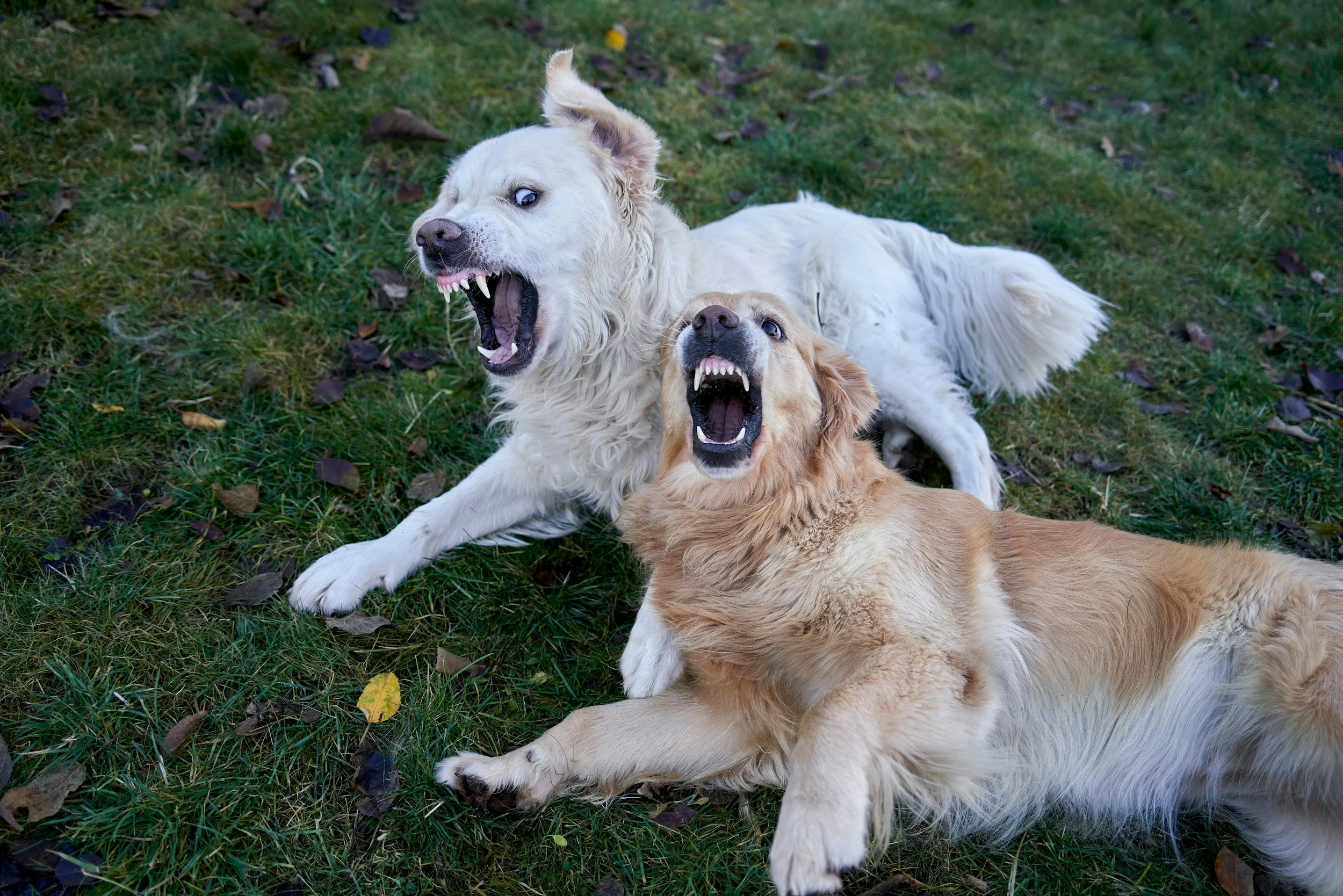
And when that dog gets returned or rehomed? The adopter is often blamed for “not giving them enough time.” But it’s a hard decision for anyone to have to make when they wanted it to work out so well and trusted shelter staff to advocate for the dog and match them appropriately.
Sometimes that criticism is deserved, don’t get me wrong. Dogs are living animals; you can’t treat a living being like a throw pillow. You cannot expect a newly adopted dog to walk into your house and immediately understand your routines, your expectations, your other pets, your children, and your lifestyle. You certainly shouldn’t be adopting a dog when you know you cannot have dogs in your apartment, you know you can’t afford to feed the dog, or if you know you work too much to be present with any dog at all.
But I think we also need to ask an uncomfortable question:
Were adopters who returned or rehomed their adopted dogs given realistic expectations in the first place?
A Meet-and-Greet Is Not an In-Home Compatibility Test
One practice that particularly bothers me as a dog trainer is relying heavily on shelter meet-and-greets between an adoptable dog and the adopter's resident dog as the end-all be-all of compatibility. The resident dog might not take kindly to meeting a stranger for the first time, and vice versa - but it doesn’t mean they can’t coexist with structure. On the other side, the dogs in the shelter are often over aroused or shut down. Their behavior toward the resident dog isn’t reliable as a long-term projection.
I understand why shelters do them, absolutely not a dig at the process - you have to do what you can to weed out obvious incompatibility because it’s a fast paced, underfunded, overworked environment.
What I don't like is the amount of confidence sometimes placed in the result - especially with temperament evaluations upon intake with control dogs. There’s got to be a better way that gives an accurate description and encourages someone to adopt without using marketing heavy absolutes.

Back to meet-and-greets… just because a dog was advertised to be great with dogs, two unfamiliar dogs meeting each other in an unfamiliar environment for a relatively short period of time does not tell us what their relationship will look like after living together for three weeks. It tells us that on that particular day, in this particular environment, around those particular people, they didn’t mind each other.
A dog who appears tolerant at the shelter may behave differently once they become comfortable in the home.
A dog who looks uncomfortable or has a reaction during the initial meeting may simply be overwhelmed by the environment and need time to decompress in a home with daily reinforcement - it might not have anything to do with the resident dog at all.
And two dogs politely sniffing each other without starting a fight or even getting along so well they start to play certainly doesn't mean: “Great! They're best friends. Bring him home! That’ll be $50!”
Successful dog introductions aren't usually one event for a few minutes. They're a process. A weeks long process.
You Still Need a Gradual Introduction After a Meet-and-Greet
Obviously, this is from a dog trainer’s perspective. When someone tells me they got a new dog and they already have a dog, this is usually how I explain gradual introductions:
For the first week, the only times the dogs see each other is outside on walks on neutral ground. This allows each dog to get a feel for each other’s temperament, energy, body language, and behavior without it being a free-for-all session to amp up arousal. If they vibe well on a walk, then they can be let loose in a yard to play and have some fun with supervision. But in the home when they aren’t being supervised, separate spaces - this can look like crating and rotating common spaces, tether training, place training, or using separate rooms.
After a couple of days, swap some blankets and toys between both of the dog’s spaces. This lets them intimately get to know each other’s scent safely, while still sharing supervised moments of play and rest throughout the day. Decompression, meals, and naps in separate spaces even if someone is there to supervise. This is the time where you may want to start one-on-one training with each of your dogs, separately, before you handle them out and about as a unit. Untrained dogs can feed off each other’s bad habits.
Usually by the second or third week, if all things are going well, you can increase the amount of time the dogs are spending together when supervised. Separated still for meals, naps, training, and decompression, but play sessions might be longer, they may be more willing to chill and watch TV with the family, or they’ll be out when guests are over. This is the point where you’d need to be on the lookout for any potential resource guarding of food, toys, space, attention, furniture, or people. Any resource guarding behavior needs intervention before it escalates.
As a professional, this is where I’d stop pushing shared spaces between my dogs. Each dog deserves their own space to decompress, eat, and nap if they need it - it’s better in the long run to not integrate everything together between multiple dogs, especially walks.
The goal of a gradual introduction isn't to force a friendship. It's to give both dogs enough time and space to determine what kind of relationship they're actually capable of having.
A five-minute sniff exchange in a parking lot or shelter lobby cannot tell us that.
Breed Labels Aren't Just Aesthetic

Then we have the infamous “Lab mix.”
Is it black, brown, yellow, brindle, white, or any combination of colors and patterns? Does it have short hair? Does it have droopy ears? Does it have a tail? Does it have legs? Is it a dog? It’s a Lab mix!
Look, sometimes the dog probably is a Lab mix, both genetically and physically. Definitely feasible sometimes.
But when every medium-to-large, short-haired, black, cream, or brown mystery dog becomes a Labrador Retriever mix when they’re observably not, we've got a problem here.
Visual breed identification is notoriously unreliable, especially with mixed-breed dogs. There are some poodle mixes that look like they have 0% poodle in them. That doesn't mean breed is irrelevant… it just means putting a label on a “maybe lab maybe hound” can inadvertently cause some issues for adopters.
However, if you’re torn between “hound mix” and “Lab mix,” choose hound mix. People don’t adopt a hound mix hoping for a couch potato - but they might adopt a Lab mix hoping for a couch potato.
Breed and genetics can influence behavioral tendencies and patterns of reactivity that some dogs may develop. Terrier mixes have a high prey-drive and LOVE to dig. Lab mixes carry things in their mouths, but overall, they’re pretty docile.
And I know what you’re thinking - “But Ashley, they label dogs as lab mixes so that people who rent can still adopt due to breed restrictions!” And I’m saying, it’s still disingenuous and a disservice to the dog. Lying to adopters about breed and putting “Lab mix” on papers to bypass insurance restrictions ultimately doesn’t help keep the dog in that home.
What happens then when this totally-not-a-bully-breed Lab mix shows dog aggression, snaps at the landlord, or barks at kids? There will be a notice on their door after three strikes with an ultimatum: keep the dog or keep the apartment.
Breed Labels Set Expectations
What do you think of when someone says “my dog is a Shepherd mix”? You think of a tall, pointy eared, rugged looking, furry, large dog with lots of energy that may not do well with strangers. When you think of a breed mix, you think of that breed’s traits.
A hound may be highly scent-driven, vocal, and pack oriented. Without an outlet to engage in sniffing, searching, digging, tracking, they can get very, very bored. So if your Lab mix actually is a Plott Hound mix, you might have a harder time finding breed specific enrichment exercises if you think fetch is your dog’s favorite.
A livestock guardian may naturally be suspicious of unfamiliar people or animals, prone to resource guarding. Without training and management, they can become a fluffball of unchanneled and misdirected aggression. So if your Lab mix is actually an Anatolian Shepherd mix, you might accidentally be putting them in situations that they don’t want to be in.
A retriever may need a job to feel fulfilled otherwise they steal your shoes and hump your leg. Without enough activity and proactive training, they might be the reason you get charged for a bowel obstruction surgery. So if you Lab mix is actually a Lab mix, you know what you’re up against.
A herding breed may be extremely sensitive to movement, timing, frustration, and exercise limitations - and still have 7 hours of energy left. Without intentional access to physical and mental fulfillment, you can accidentally create a raptor with fur. So if your Lab mix is actually a Border Collie mix, Kongs and fetch will never be enough.
A bully breed may be great with adults in the family, but intolerant of strangers, kids, and dogs. Without structure and guidance, they can become more frustrated and over aroused with each interaction. So if your Lab mix is actually a Pitbull Mix, allowing them to greet everybody and every dog will work against you in the long run.
None of those traits automatically make a dog difficult or unsuitable for adoption. They're dogs doing dog things typical of the type of dog they are.
But those traits might make that particular dog incompatible with a particular household expecting a Lab mix, when it’s really a bully/shepherd/spaniel/supermutt/1% chihuahua mix. And yes, you shouldn’t be wanting bully-type, mastiff-type, or shepherd-type dogs living in rentals where it’s against the rental agreement to have a powerhouse of a dog.

That's why I would much rather see:
“Mixed breed, suspected hound, bully, & shepherd — exact ancestry unknown but seems to do well with cats and loves to play tug.” That's honest. That’s a real answer. Sometimes it’s okay to say “Hmmmm, we’re not sure! But, they’re a good dog anyway.”
If ancestry isn't known, adopters can make decisions based on the individual dog's observed behavior and social preferences rather than assumptions created by a breed label someone essentially gave an educated guess to.
Behavior in a Shelter Is a Snapshot, Not a Personality Profile
Shelters are weird places for dogs. There are unfamiliar people, unfamiliar dogs, barking, smells, doors opening and closing, handling from strangers, disrupted sleep, and completely different routines. Most dogs in shelters only get 1-2 hours of time outside the kennel each day, unless there’s a day trip/day foster program.
Some dogs become extremely inhibited. Unable to sleep, eat, play, or interact much - nothing feels familiar or safe.
Some become frantic. Chronic pottying, tail chasing, jumping, bouncing, barking.. it’s exhausting and very dysregulating.
Some appear unusually calm because they're overwhelmed. So many things are happening at once that they don’t care about barking at anybody right now.
And some genuinely handle the environment incredibly well because it’s just enough stimulation. But that’s not the norm.
What we're seeing is still that dog's behavior in that environment at that point in time. It isn't a crystal ball or a glimpse into a magic 8-ball to predict how well they’ll settle into a home. And I get it, not every program can afford fosters and the additional resources it takes to outsource care, behavior, and observations - but can we agree that behavior in the shelter is how that dog handles stress, not daily life?
This is why statements like: “Great with dogs!” “Loves everyone!” “Perfect family dog!” “Would love a doggie sibling!” should be used carefully unless there is substantial history supporting them. There's a huge difference between: “Has shown friendly behavior toward dogs while in our care.” and: “Great with dogs.”
One describes what has actually been observed while the other sounds like a guarantee… newsflash, it’s never a guarantee.
Decompression Doesn't Mean Leaving the Dog Alone for Three Weeks

I also think the conversation around “decompression” has become oversimplified and too concrete for what it really means from a behavioral point-of-view. You'll hear things like the 3-3-3 rule presented almost like a schedule:
Three days overwhelmed.
Three weeks adjusting.
Three months settled.
Done.
Real dogs did not sign a contract that says, “in as little as three months, I’ll be normal and your perfect, well-adjusted companion: just be patient!”
Some dogs walk into their new home like they have lived there for ten years, and over the next few months develop some new fears as they settle in. Others need months before you see their full behavioral scope and potential. Some take years depending on their life experiences and expectations of the world around them. 3-3-3 is a good starting point, but it’s not an absolute.
What Decompression Actually Means
Decompression should not mean isolating a dog from the world and waiting for their “true personality” to magically appear. You can still go to the park, on a walk, or to the pet store. But you’re taking all of their behavior, reactions, and little spurts of energy as data, and simply, moving on and having fun.
Decompression as a process means reducing unnecessary pressure (interactions with visitors, meeting outside family members, expectations of manners, etc.) while introducing routines, boundaries, enrichment, light training, household members, other animals, and environments at a pace that particular dog can handle.
And during that process, behavior may change. That's normal. That’s the part you need to expect to happen. And adopters need to have a plan for if the actual behavior of their new dog isn’t compatible with their lifestyle. What if your dog has a high need to sniff and explore with one-on-one attention and play but you only have the time to let them in the yard 4 times a day? That creates a dog that’s so bored out of their mind that they’ll become destructive, neurotic, or learn how to escape.
The plan used to be “This dog doesn’t work for us. We love him but he has higher needs than we can meet. I’m surrendering him back to the shelter, please make sure other people who inquire knows that if he doesn’t get enough exercise, he will eat rocks and chew furniture. He’s had two surgeries so far. We can even foster until a new home is found for him, but we can’t keep him long-term.”
But now, people feel shame for returning a dog so they wait until the last possible minute before making a Facebook post that says “I have a dog, 2 years old. Need him gone by tomorrow. I just can’t deal with him anymore. He’s a great dog, but too much for me. Needs a yard, I don’t have one. Pointer, full-blooded. Takers?”
Anyways, decompression.
It also means adopters in general should know and understand before ever being approved and matched that the dog they meet at the shelter may not behave exactly the same way once they feel secure enough to make choices in their new home. That any meet-and-greets shouldn’t be taken as fast friendship or compatibility in the home. That it may take a year or two to fully see the dog’s potential, and that training isn’t optional.
But, it’s also not the end of the world if someone knows “this actually isn’t for me.”
As I said before, 3-3-3 is a guideline, but not an absolute; it’s more like 7-7-7 or 12-12-12 or some variation of 7-3-12. Not everybody has that kind of time and energy commitment to work with a dog through behavioral challenges or higher needs than they expected so there has to be a contigency plan for if something doesn’t work.
Is the shelter committed to taking this dog back within a certain timeframe? Do they have a rescue partner that’ll coordinate rehoming and thoroughly vet applicants? Do they have available fosters?
Which means, claiming a dog “is a couch potato” when they’re shut down in the shelter and soak up all the love they can get for the hour they’re out of the kennel… may set them up to fail later on when they actually want to play and get some energy out at a time that isn’t super convenient for their new family.
Returns Aren't Always Because Someone “Didn't Try Hard Enough”
This is probably the most uncomfortable part of this conversation.
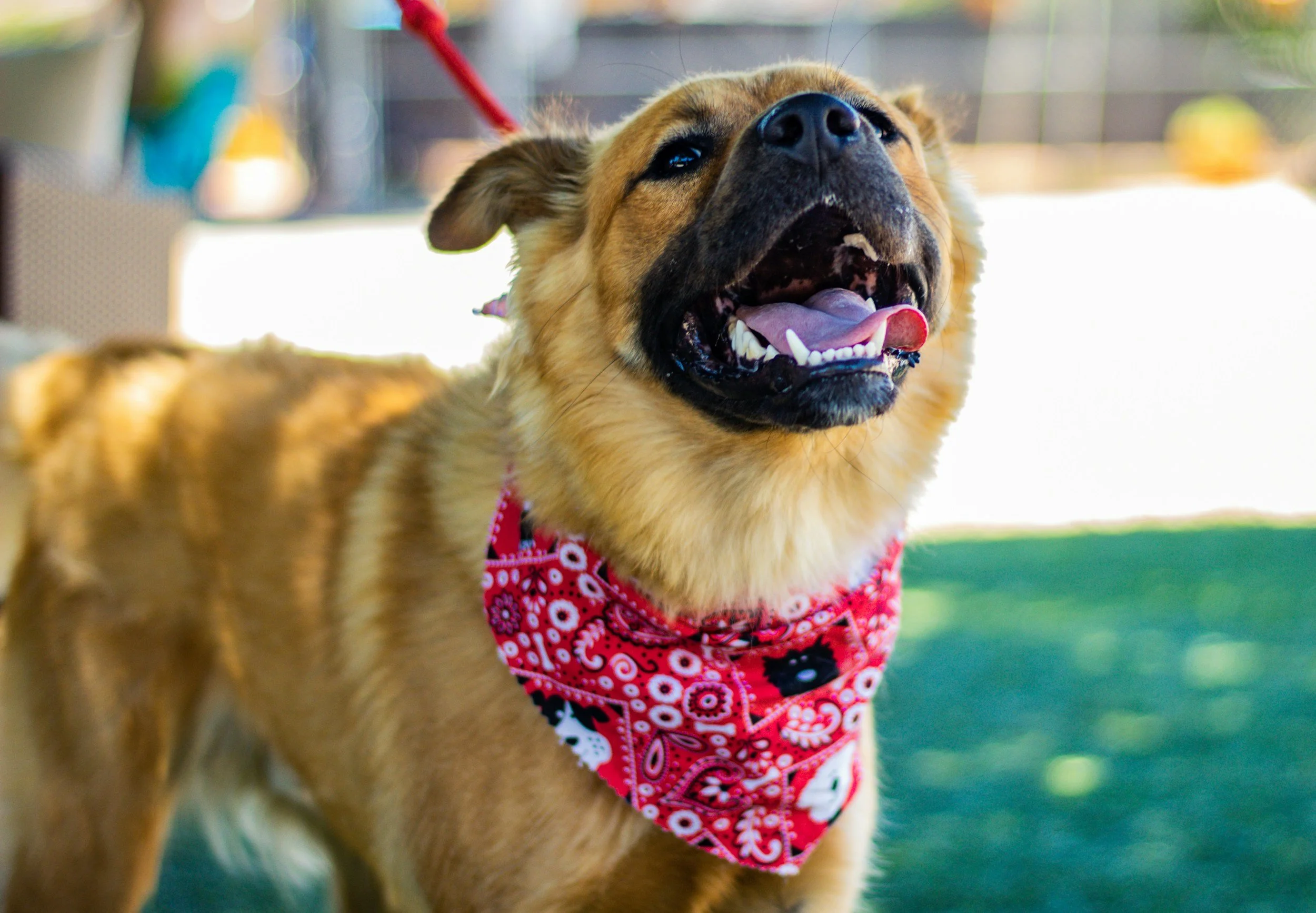
Sometimes returning a dog is the responsible decision.
If an adoption places a resident animal at serious risk, creates an unsafe environment for children, exceeds the behavioral or financial resources of the adopter, or simply turns out to be fundamentally incompatible like a terrier mix matched with someone who has pet rats, keeping that dog at all costs isn't automatically the ethical choice.
Yes, adopting an animal is a commitment. A commitment to the dog’s welfare, health, and safety, even if it means doing hard things, making hard choices, or making necessary lifestyle changes.
But commitment doesn't mean pretending every placement can or should work long-term. Short-term placements like fosters are still so great for rescue and shelter efforts, but sometimes it takes three or more returns for a dog to be placed in a long-term foster home.
There is a massive difference between returning a dog because they barked twice in three weeks and returning a dog after discovering significant behavioral needs a month down the road that were unknown or inaccurately represented before adoption. Shaming every person who returns a dog doesn't solve the underlying problem.
It can actually make things worse.
People may wait until the situation becomes dangerous because they're afraid of being judged. Dogs may spend months in households that cannot meet their needs and become reactive, neurotic, or aggressive as a result. Resident pets may live under chronic stress for a very long time.
Then, when the situation finally explodes, everyone asks: “How did it get this bad?”
I mentioned it before, but some people know they don’t have the lifestyle or the available effort to give to a dog that needs a lot more that they can give. There has to be a fallback plan for that.
We Need Better Adoption Counseling, Not Better Sales Pitches
The goal of adoption shouldn't be getting a dog out the shelter door as quickly as possible. The goal should be keeping them from coming back through it again and again.
That requires honesty.
Tell adopters what you've observed. Not absolutes … data, observation, and temperament assessments. And, tell them what you haven't been able to evaluate. It’s okay to not know if they’re going to be good in a house with other dogs long-term, or that they’ve never been around infants.
If breed ancestry is unknown, say it's unknown. The potential adopter can sponsor an Embark test if they want a label. If behavior may change after decompression, explain what that actually means - not just 3-3-3 debrief. Explain what overarousal is, what behavior inhibition looks like, what extinction bursts are, and how confidence-building works.
If the dog has only interacted with another well trained, control dog once, say that. Don’t say “dog-friendly” if you’ve only tested with just one dog. If the dog hasn't lived with children, don't turn one positive interaction with a child into “great with kids.” That is going to set families up for a disaster down the road.
And perhaps most importantly, teach people how to introduce the dog into their household before they leave with them. Don’t assume that everyone will read a pamphlet or reach out to a trainer.
Give them realistic expectations. You may not want to put both of your dogs in the same room for at least a week to give them some time to get used to each other’s scent. Give them management strategies. If you see ANY signs of resource guarding or aggression, remove ALL resources from shared spaces and contact a trainer.
Tell them when to contact a trainer for behavior. If you feel like spending time with your dog is a chore because of their behavior, this is when you really need a trainer to intervene. Tell them when they need a veterinarian or behavior professional. Any sudden change in normal behavior warrants a trip to the vet, even if it turns out to be nothing serious. Tell them what warning signs actually matter. Not just biting or growling; separation distress, fear-based redirection, heat stroke, etc. If your dog can’t seem to function in some circumstances, pay attention to that and seek intervention immediately.
Adopters deserve enough information to give an informed yes. They also deserve enough grace and trust in shelter staff to say: “This isn't the right dog for my household; I know we were matched and everything went well a month ago, but I’m not seeing it anymore with how much he’s changed. Do you have any other options?”
That's not a failed adoption. Another dog can still be given a home.
Oh, One More Thing: Not Every Dog Should Be Placed

We also need to address the elephant in the room.
Please stop placing dogs with serious histories of attacking, biting, or killing people or other animals into unsuspecting homes.
Behavioral history matters.
There is an enormous difference between a dog who growled when someone reached for their food bowl and a dog who inflicted a serious bite because someone dropped a piece of plastic on the floor. There is a difference between a dog who barked and lunged at another dog on a walk and a dog who has escaped their yard and attacked another dog on sight, with intent to cause harm. And there is absolutely a difference between prey drive and a documented history of seriously injuring or killing another household animal unprovoked.
We do dogs no favors when we sugarcoat and omit those distinctions. There are too many good dogs waiting for homes to pour resources into dogs that are, simply put, incompatible with society.
Calling a significant bite (Level 2 or higher) “a little incident,” describing an attack on another dog as “not knowing their own strength,” or advertising a dog who has killed another animal as simply needing to be “the only pet in the home with a large yard” does not erase the behavior, it only transfers the risk to someone else that is not prepared for it.
And disclosure alone doesn't automatically make every placement responsible.
Putting “experienced owner only” in an adoption profile is not a magical liability shield. Neither is requiring a fenced yard, recommending no children, or telling someone the dog needs a “strong, committed handler.” If the dog has a behavioral background, say so plainly: “This dog has bitten previously, but has no substantial bite record in the state of NJ; so, this dog is not adoptable pending evaluation and professional training, however they are listed here on the public directory for rescue connections to inquire. Thank you!”
Some behavioral histories warrant extensive professional evaluation and lifelong management and are better off being matched with dog trainers that own sanctuaries or kennels or large homes where they can manage these things.
Some dogs may only be safely maintained in extremely specific environments like large farms, rural homes, or a “no kids ever, at all, even to visit” home that the average adopter cannot realistically provide. And, yes, there are cases where placing the dog into another home may not be an ethical option at all. Who wants a dog who tore someone’s limb clean off because they saw another dog?
That is an incredibly difficult reality of animal welfare, but avoiding the conversation doesn't make the risk disappear.
Behavior Isn't a Moral Failing
None of this means the dog is “evil.”
Dogs don't need to be villains for their behavior to be dangerous.
Genetics, early development, trauma, medical conditions, learning history, inadequate socialization, chronic stress, and countless other factors can contribute to serious behavior.
We can have compassion for why a dog behaves a certain way while still acknowledging what that dog is capable of doing.
Those ideas can coexist.
A dog can deserve compassion while being unsafe to place.
The Next Family Shouldn't Become the Experiment
If a shelter or rescue knows that a dog has inflicted a serious bite, attacked another animal, or killed another animal, the question shouldn't simply be: “How do we find somebody willing to take this dog?”
It should be: “Can we reasonably expect this dog to live safely in another household, and what happens if our assessment is wrong?”
Because the consequences of being wrong aren't theoretical, there are cases of this stuff happening almost daily.
There's another dog sleeping on somebody's couch and the next moment, there’s a fight and someone gets bit.
There's a cat living in the next room in a rental house and in a split second while frustration builds and tolerance decreases, dog catches it and dispatches immediately.
There's a child visiting their grandparents and goes to hug their “normally friendly” rescue dog that previously bit a kid - kid gets bit in the face.
There's a neighbor walking their Chihuahua down the sidewalk and the recently adopted dog pulls the leash out of their owner’s hand to go attack that dog.
There's a veterinary technician who has to handle this dog and nearly gets bit when taking their weight on intake.
There's an adopter who may have absolutely no idea what managing a genuinely dangerous dog entails, and neglects to seek a professional for help under the assumption that facility training in the shelter was enough. It wasn’t, and they get bit.
Those individuals did not consent to becoming part of somebody else's rehabilitation experiment.
And if the placement fails, the original dog suffers too. They may be bounced between homes, returned repeatedly, confined more heavily after each incident, subjected to increasingly punitive training, or ultimately euthanized after another serious event; except now, another animal or person may have been hurt first.
Sometimes preventing that next incident is part of protecting animal welfare.
Rescue should never become placement at all costs. Saving a dog cannot mean knowingly transferring an unreasonable risk to another animal, another family, or the surrounding community and hoping this time things turn out differently. Sometimes responsible animal welfare requires accepting an outcome that nobody wanted.
That's heartbreaking. But another preventable victim doesn't make the story less heartbreaking.
The Dog Deserves Honesty Too
None of this is about discouraging adoption. It's the opposite.
I want adoptions to work. I want the terrified shelter dog to become somebody's hiking buddy. I want the chaotic adolescent to become the dog sleeping upside down on someone's couch five years from now. I want the overlooked senior dog to spend their remaining years ridiculously spoiled.
But getting dogs adopted and getting dogs into appropriate homes are not the same goal.
When we oversell compatibility, simplify behavior, guess at genetics, or treat a brief introduction as proof that animals can safely live together, we're putting enormous expectations on a dog who has absolutely no idea what promises were made on their behalf, and that isn’t fair at all.
Dogs don't need us to make them sound perfect. They need us to describe them honestly. Because a dog doesn't have to be the “perfect fit” for everybody. They need to be the right fit for somebody.
And those are two very different things.
~ Ashley